





Specialist dental care for the whole family
Personalized care by specialists in periodontics and advanced general dentistry, certified by Korea’s Ministry of Health and Welfare.
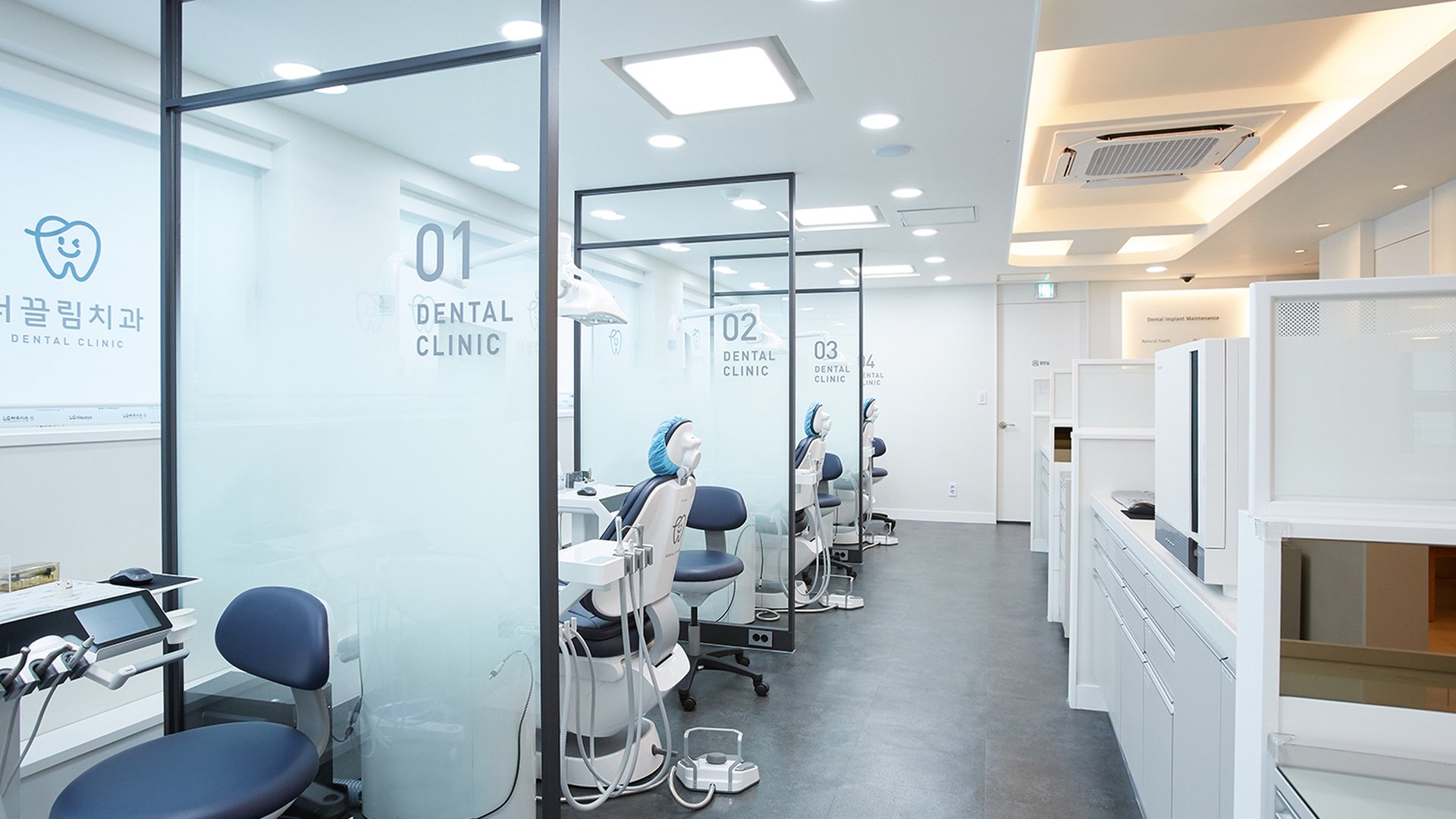
The Kklim Dental Clinic
Customized Implants
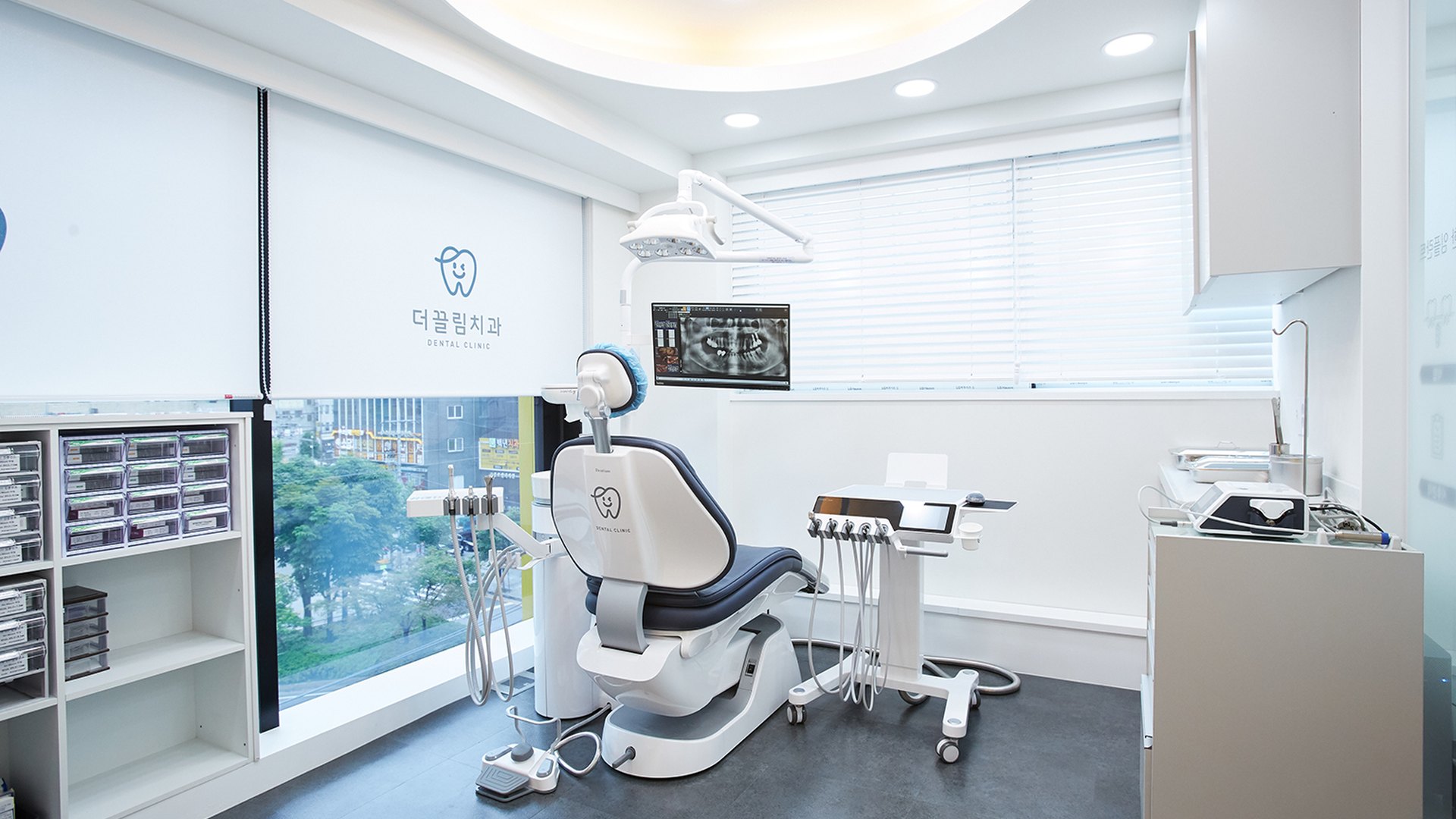
The Kklim Dental Clinic
Treatment to protect natural teeth

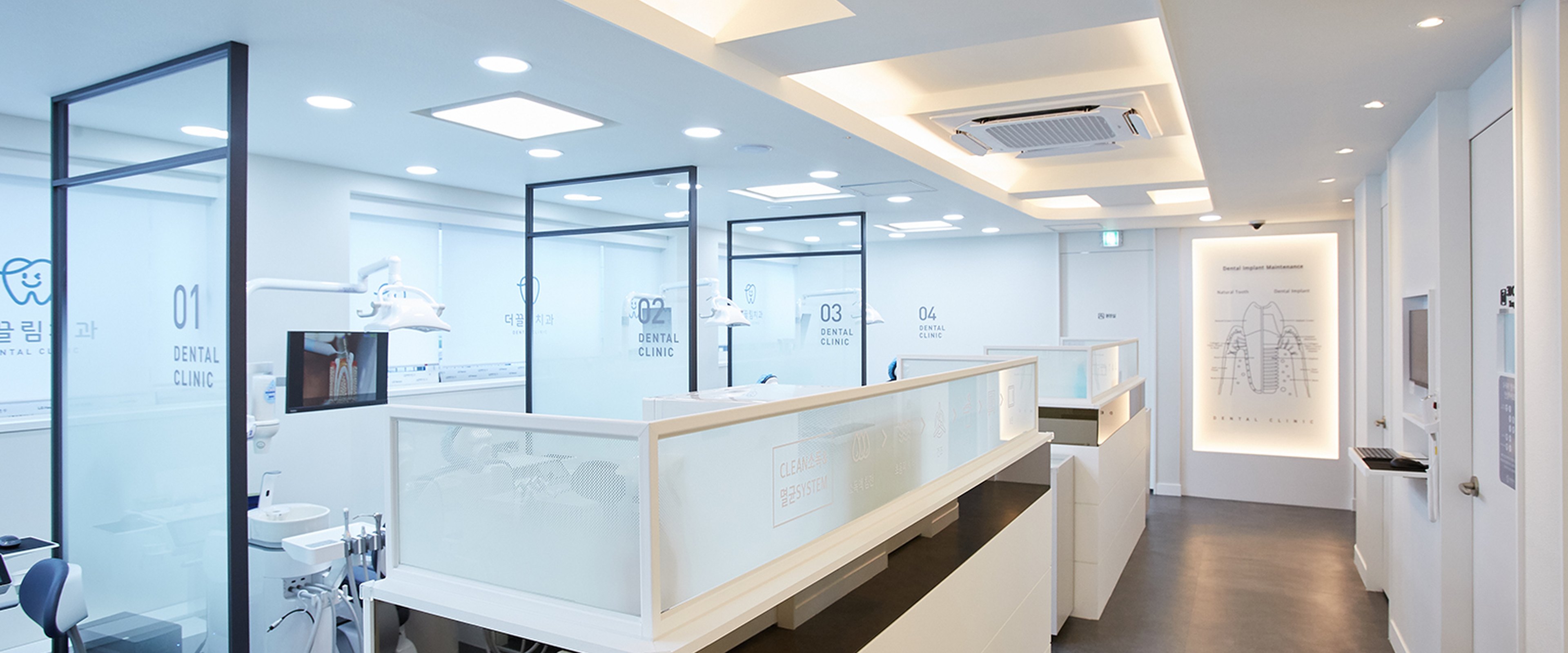
The Kklim Dental Clinic
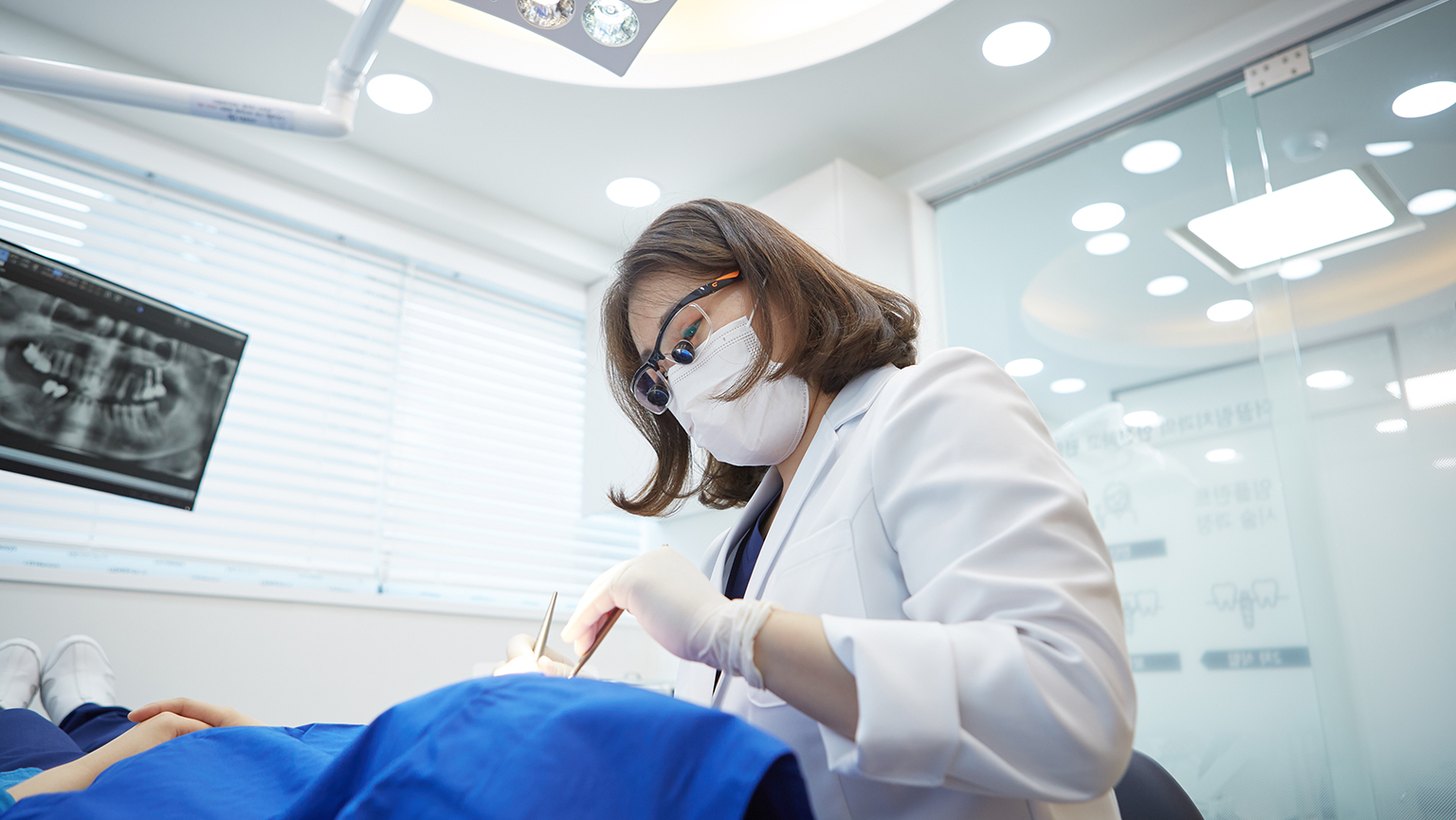
Smile and confidence

THE KKLIMTHE KKLIM
Why The Kklim? Discover specialist dental care for the whole family.

Why The Kklim? What Sets Us Apart
Personalized care by periodontics and general dentistry specialists certified by Korea’s Ministry of Health and Welfare.

Care by specialists certified by
Korea’s Ministry of Health and Welfare
Care by specialists in periodontics
and advanced general dentistry.
Specialist care in periodontics
& advanced general dentistry
THE KKLIM 01
Customized treatment for each patient
Our team provides personalized care and clear, friendly communication.
Personalized care,
friendly communication
THE KKLIM 02
Thorough
infection control
Disinfected treatment water
and professional infection control
Disinfected treatment water
Professional infection control
THE KKLIM 03
Meet Our Dentists
the kklim dental clinic
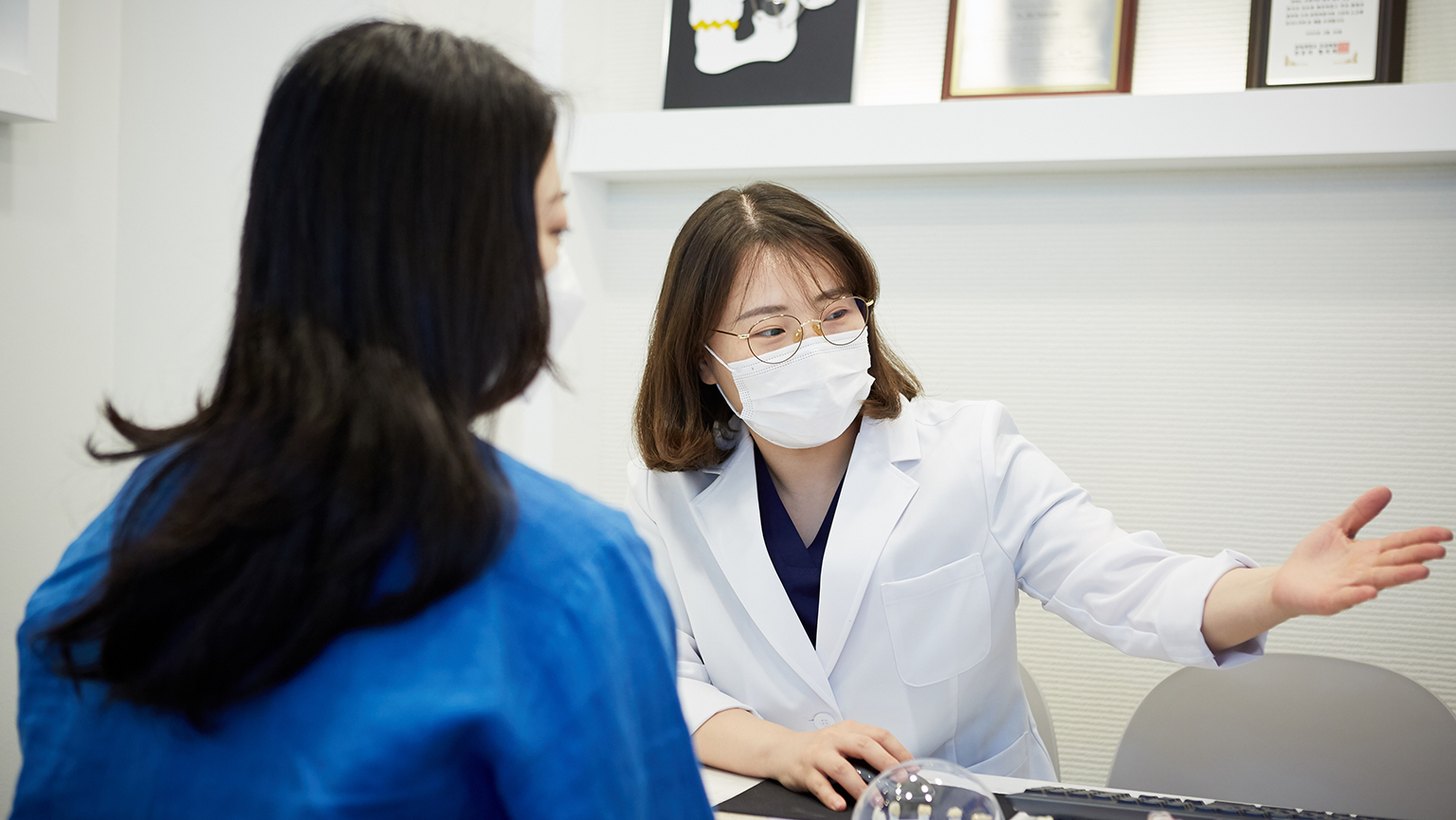
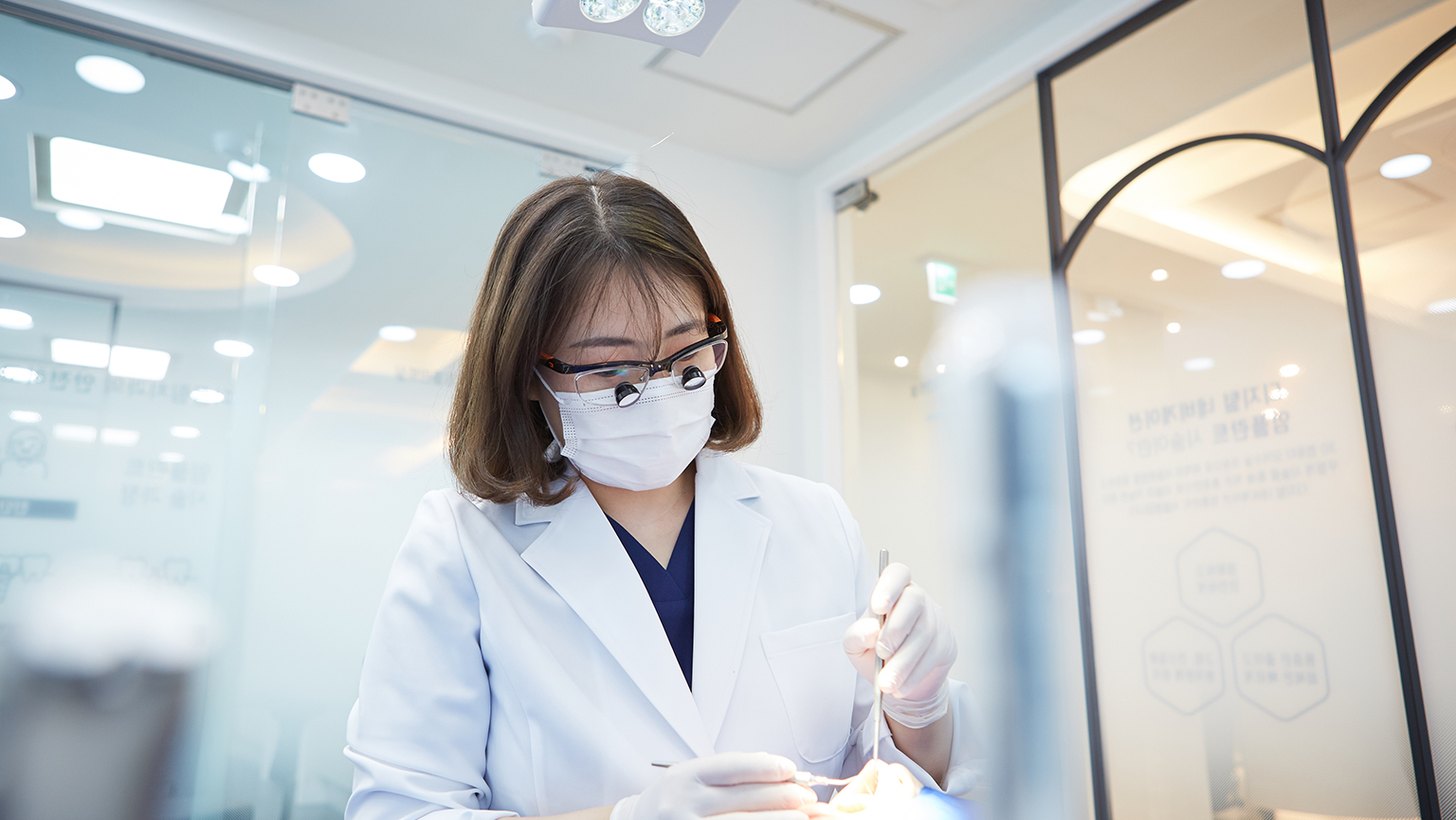
Specialists in periodontics & advanced general dentistry
Dr. Lee Na-yeon


Specialists in periodontics & advanced general dentistry
Dr. Lee Na-yeon
Biography
- •
- Periodontist certified by the Ministry of Health and Welfare
- •
- Specialist in advanced general dentistry, certified by Korea’s Ministry of Health and Welfare
- •
- Completed internship and residency at Chonbuk National University Dental Hospital, Department of Periodontology
- •
- Regular member of the Korean Society of Periodontology
- •
- Member of the Korean Society of Oral and Maxillofacial Implantology (KAOMI)
- •
- Member of AAP (American Academy of Periodontology)
- •
- Won the Best Poster Award at the 26th KAOMI International Symposium
- •
- Case presentation at the 58th Korean Society of Periodontology General Conference
- •
- 105th Annual Meeting American Academy of Periodontology poster presentation
- •
- ORDA "Periodontal Surgery, Guided Bone Regeneration and Sinus Augmentation" lecture & hands-on 수료
- •
- Completion of temporomandibular joint disorder training course
- •
- Completed Osstem Implant Prosthetics Seminar
- •
- Former) Director of Moa Dental Clinic

Orthodontics
Dr. Bae Eun-ha
Biography
- •
- Graduated from Seoul National University College of Dentistry, Department of Dentistry
- •
- Master’s degree in Orthodontics, Ewha Womans University
- •
- Orthodontic training at the University of California (UCLA) Dental Hospital, USA
- •
- Regular member of the Korean Orthodontic Association
- •
- Member of the Korean Association of Lingual Orthodontics (KALO)
- •
- Former orthodontist, Seoul Su Dental Clinic
- •
- Former orthodontist, Hohyeon Dental Clinic
- •
- Former orthodontist, Gangnam One Day Dental Clinic
- •
- Former orthodontist, May Dental Clinic
- •
- Former orthodontist, Pamie Dental Clinic
Our Dental Services
the kklim dental clinic
01 TREATMENT
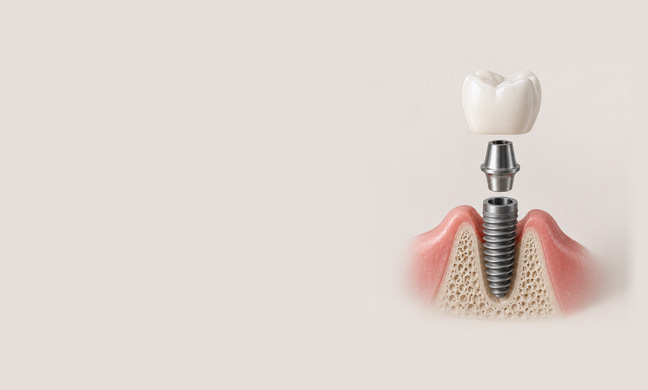
Dental Implants
Through implants, we improve dental problems, restore confidence, and improve oral health.
02 TREATMENT
Periodontal Treatment
We treat periodontal disease with scaling and gum care, and provide ongoing maintenance after treatment.

03 TREATMENT
Cavity Treatment
Cosmetic, prosthetic, root canal and restorative care. We prioritize treatments that preserve your natural teeth.

04 TREATMENT
Jaw Joint (TMJ) Care
We treat jaw joint disorders to help reduce discomfort when chewing, speaking or swallowing.

05 TREATMENT
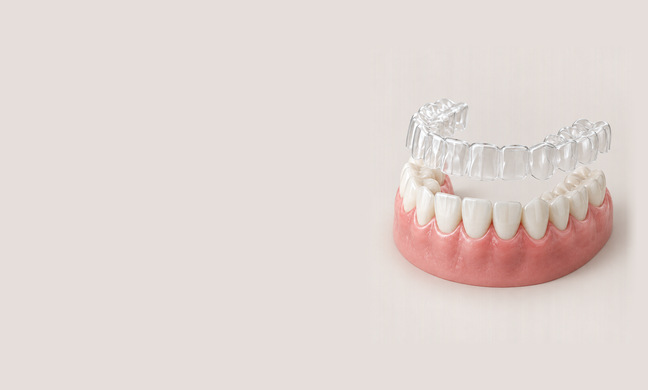
Orthodontics
We suggest the optimal treatment method according to each individual’s oral structure and condition.
06 TREATMENT
Teeth whitening
Professional and at-home whitening help restore brightness to stained or discolored teeth.

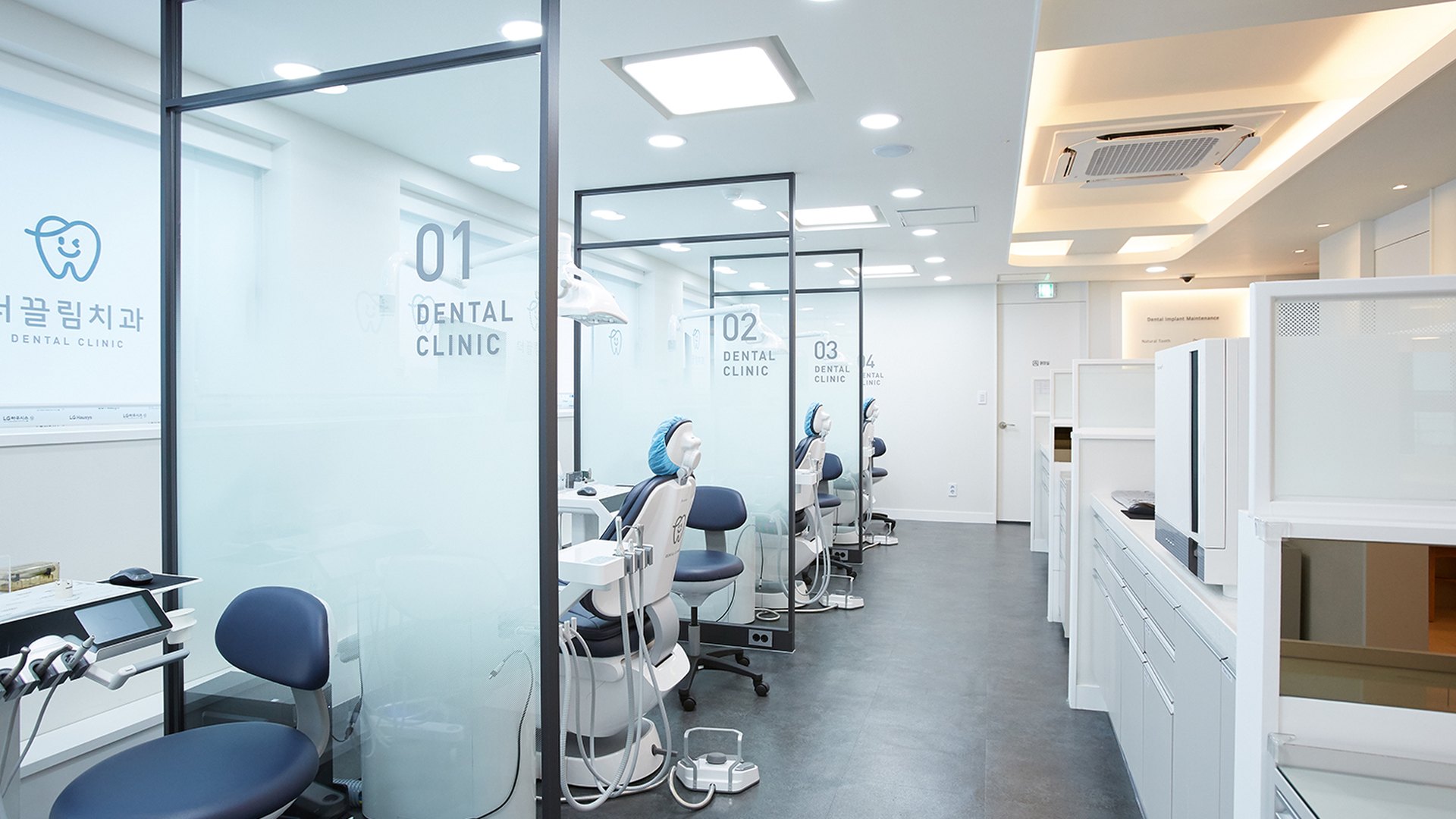
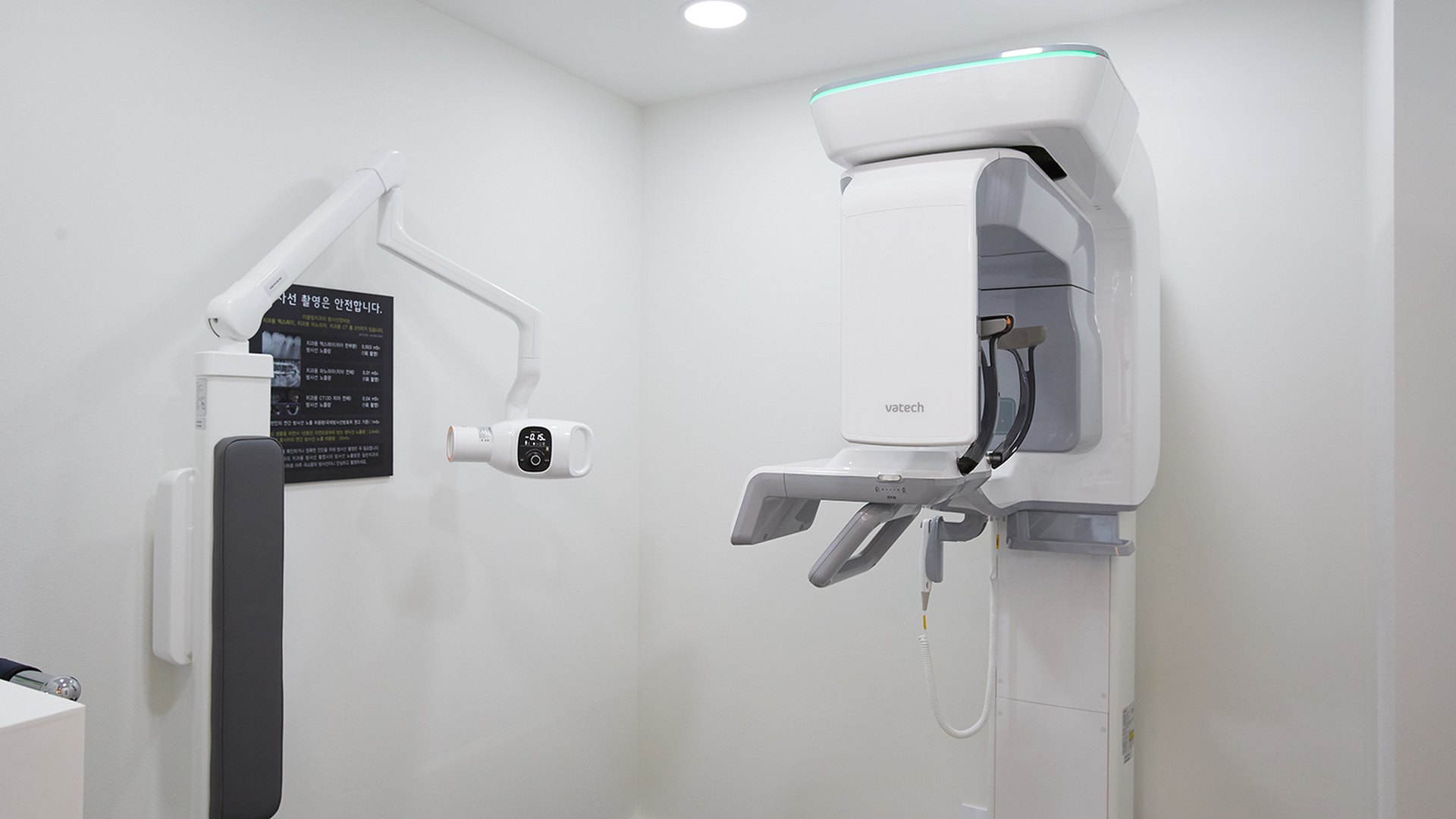
The Kklim Dental Clinic SPECIAL CLINIC

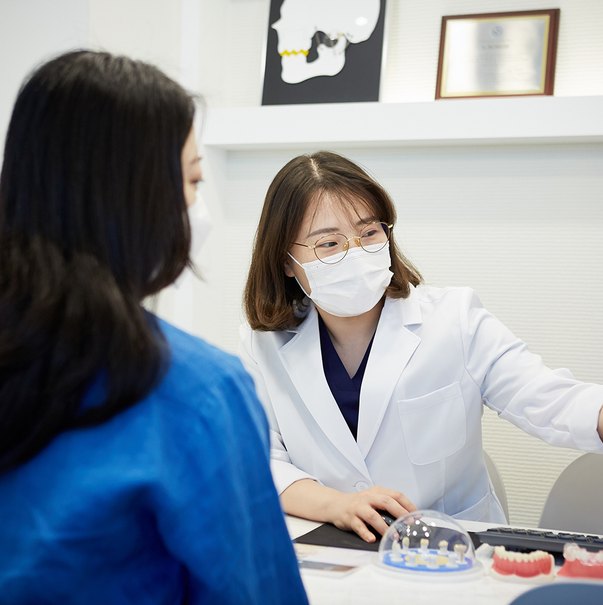
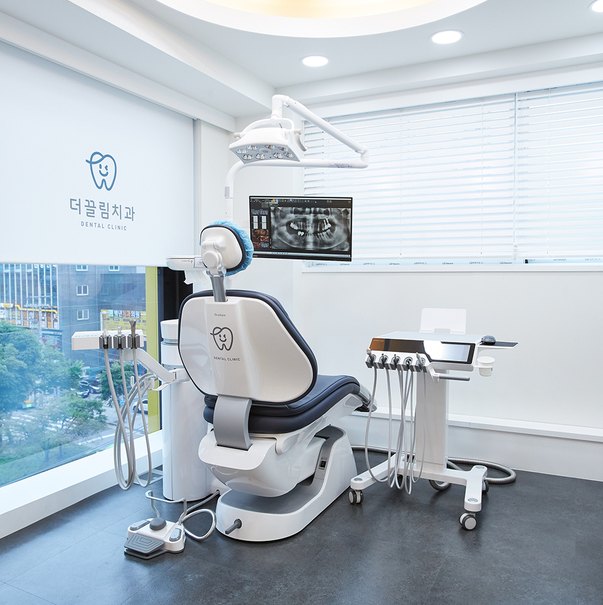
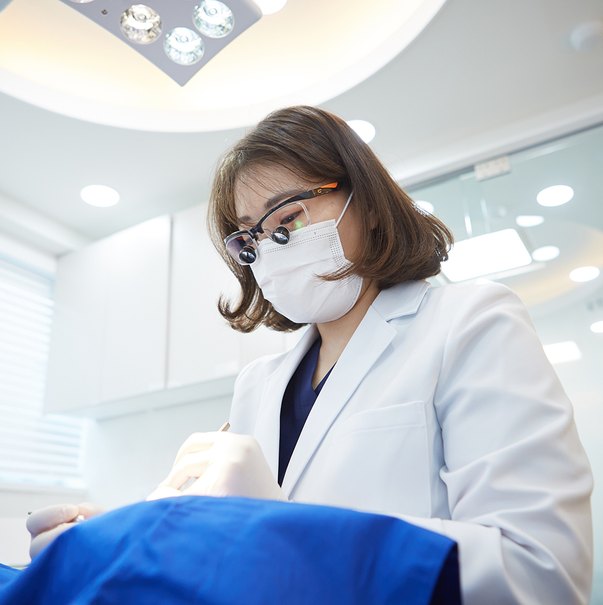
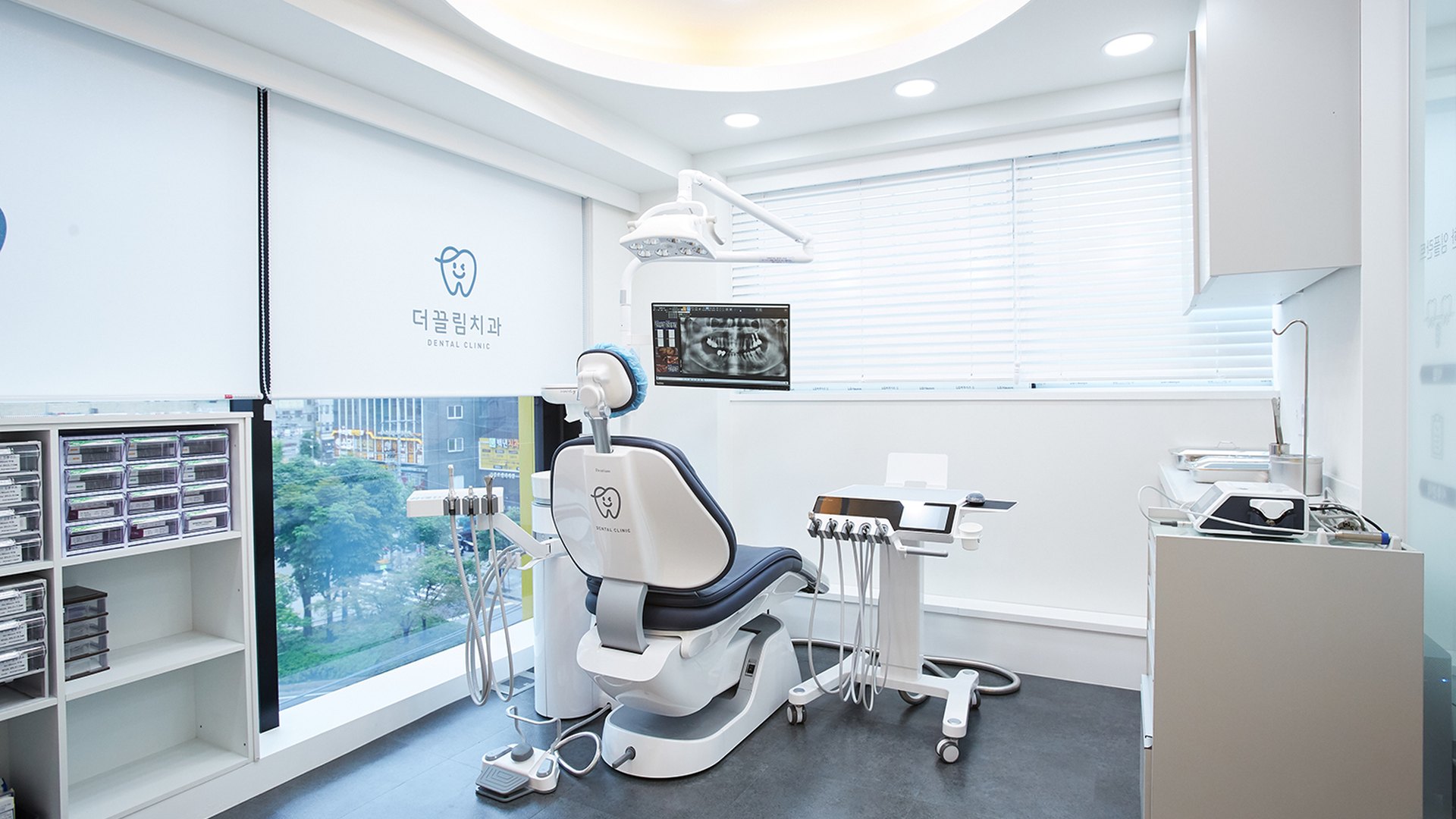
The Kklim standard: a reason behind every treatment





Frequently asked questions
Find answers to common questions here. We can explain your individual options during a visit.
How long does implant treatment take?
Implant treatment usually takes around 3–6 months, depending on the supporting bone, implant position, need for bone grafting and overall health.
After placement, the implant is allowed to bond with the bone before the final restoration is made. Bone grafting or periodontal treatment may extend the schedule. We will explain your individual timeline after a CT scan.
Does health insurance cover dental implants?
Korean National Health Insurance members aged 65 or older may receive coverage for up to two dental implants over their lifetime. The standard patient share is 30%, but it may vary by eligibility, including Medical Aid status.
We will explain the exact cost during your visit after examining your mouth.
Do you offer evening appointments?
We offer evening appointments on Tuesdays until 20:00, so you can visit after work.
When might a dental implant be considered?
Implants may be considered when a tooth has been lost or cannot readily be preserved because of decay, periodontal disease, a fracture or an accident.
Leaving a gap for a long time can allow nearby teeth to tilt into it or the opposing tooth to move into the space. An implant is not needed for every missing tooth: the options, including bridges and dentures, should be compared before deciding.
What can happen if I delay replacing a missing tooth?
Leaving a gap for a long time can change the alignment and bite of nearby teeth, and the supporting bone in the area may gradually shrink.
Chewing mainly on one side can also strain other teeth and the jaw joints. Because the extent of treatment needed may change over time, it is best to have the area assessed after losing a tooth.
What is guided implant surgery?
Guided implant surgery uses digital information, such as CT images and an intraoral scan, to assess the supporting bone and nerve positions and plan the implant position and angle in advance.
A surgical guide may be used to transfer that plan to treatment. This approach is not suitable for every patient; suitability depends on the bone and the treatment area.
Is a bone graft always needed for an implant?
Not every implant requires a bone graft.
If the supporting bone has enough height and width to hold the implant securely, treatment may proceed without grafting. A graft may be considered if the tooth has been missing for a long time or periodontal disease has reduced the bone.
How long can dental implants last?
Implant longevity depends on oral hygiene, gum health, smoking, grinding or clenching, and regular checkups.
Implants do not develop tooth decay, but the surrounding gums can become inflamed. Careful brushing, floss or interdental brushes, regular examinations and scaling help with long-term maintenance.
Does a cavity need treatment if it does not hurt?
Decay can progress without noticeable pain in its early stages.
A shallow cavity may be monitored at checkups or treated with a relatively simple procedure. If decay approaches the dental pulp, it may cause pain or require root canal treatment. Whether treatment is needed should be based on an examination, not pain alone.
How is a filling or restoration material chosen?
The material is chosen according to the size and location of the cavity, the amount of remaining tooth structure, chewing forces and appearance.
Small cavities can be repaired with composite resin, while more extensive damage may require an inlay or a crown. No material suits every case, so the choice should fit the condition of your tooth.
When is root canal treatment needed?
Root canal treatment may be considered when decay or a fracture has inflamed the dental pulp, or infection has developed around the tooth root.
Lingering pain with hot or cold food, spontaneous throbbing or pain when chewing should be examined. X-rays and tests of the tooth’s response may be used to make a diagnosis.
Is a crown always needed after root canal treatment?
Not every tooth needs a crown after root canal treatment. A crown may be recommended depending on the tooth’s position and how much sound tooth structure remains.
Molars under strong chewing forces may need a crown or another restoration to reduce the risk of fracture. Other options may be considered for front teeth or teeth with limited damage.
Does bleeding when brushing mean I have gum disease?
Repeated bleeding when brushing may indicate gum inflammation.
Plaque and tartar can cause swelling and bleeding. As inflammation progresses, the bone supporting the teeth can also be damaged. Rather than stopping brushing, have an examination to find the cause of the bleeding.
What is the difference between scaling and periodontal treatment?
Scaling mainly removes tartar from tooth surfaces and around the gums.
If periodontal disease extends below the gumline or around the roots, scaling alone may not be enough. Further periodontal treatment may be performed in stages to remove tartar and inflamed tissue beneath the gums.
Does a wisdom tooth need removal if it does not hurt?
Not every wisdom tooth needs to be removed.
A normally positioned tooth that is easy to clean and does not affect neighbouring teeth can be monitored. Removal may be considered if it grows at an angle or remains impacted, repeatedly causes inflammation, or damages an adjacent tooth or causes decay.
Will periodontal treatment reverse gum recession?
Periodontal treatment primarily aims to reduce inflammation and control disease progression.
As swelling resolves after treatment, the gums may appear lower or the gaps between teeth larger. Damaged gums and supporting bone may not fully return to their previous state, making early diagnosis and ongoing care important.
When should an impacted wisdom tooth be removed?
Removal may be considered when an impacted wisdom tooth repeatedly causes pain, inflammation or trapped food, or when an adjacent tooth develops decay or gum damage.
The difficulty of removal depends in part on the relationship between the roots and nerve canal. X-rays or CT images are used to assess the area and plan treatment.
When might dental veneers be considered?
Dental veneers may be considered to improve the shape, colour or size of front teeth, or spaces between them.
Other treatments may be more appropriate for significant misalignment, decay, gum disease or severe tooth grinding. Whether tooth reduction is needed, and how much, depends on the condition of the teeth and the desired change.
Will teeth whitening keep my teeth white permanently?
How long whitening lasts depends on diet, smoking and oral hygiene.
Frequent coffee, tea, wine or other strongly coloured food and drink can lead to staining again. Continue your oral care after whitening; further whitening or regular maintenance may be considered according to the condition of your teeth.
Are dentures or implants more suitable for me?
The choice depends on the remaining teeth, supporting bone, overall health, ability to care for the restoration and the extent of treatment.
Implants replace tooth roots in the supporting bone; dentures restore function with a removable appliance when several teeth are missing. Some implants can also be used to support a denture. After an examination, compare the benefits and limitations of each option before deciding.