




 Tooth Preservation
Why preserve your natural teeth?
Nothing is better than your own teeth
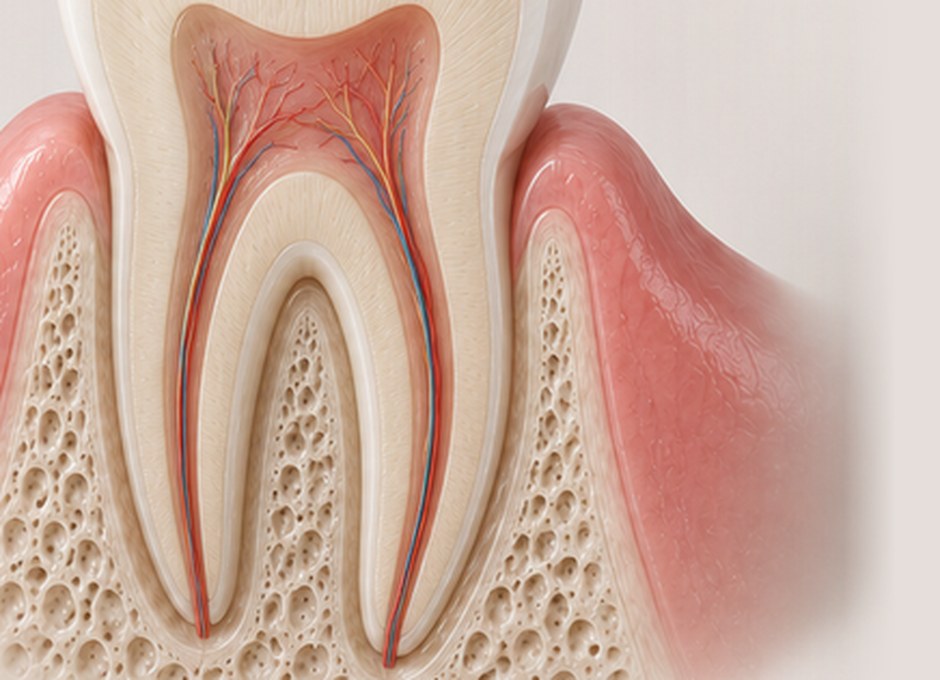
Even if you have been advised to have root canal treatment or an extraction, we first assess whether your tooth can be saved. Specialists in periodontics and advanced general dentistry examine the pulp, gums and supporting bone together to plan long-term care for your natural teeth.
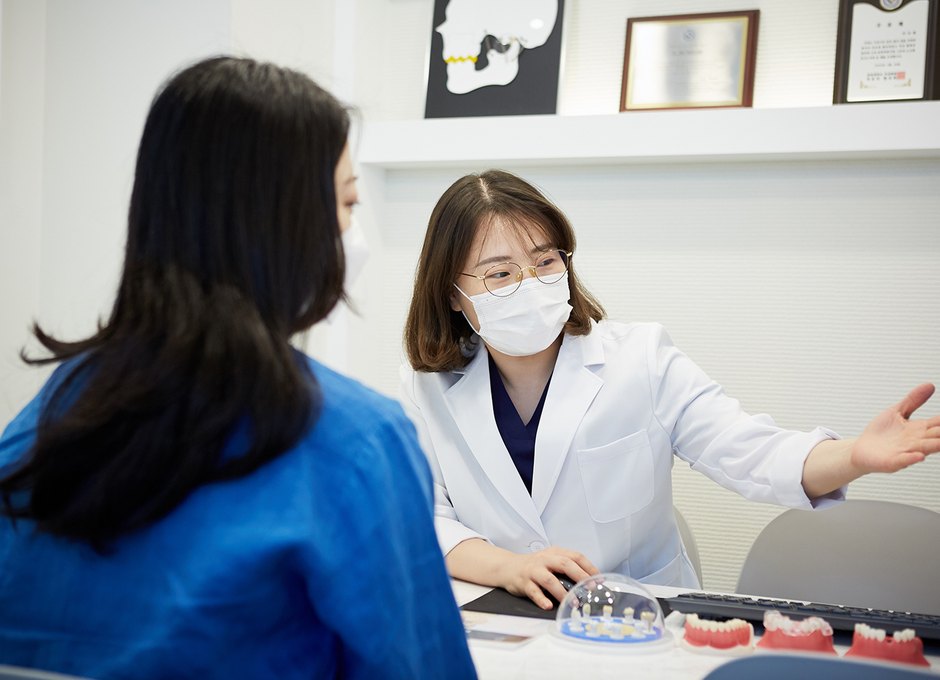
Preserving teeth means caring for both the pulp and gums
The biggest causes of tooth loss are nerve damage caused by deep cavities and periodontal disease, which dissolves supporting bone. The Kklim protects natural teeth through VPT (vital pulp therapy), which saves the nerves inside the teeth as much as possible, and SPT (periodontal maintenance treatment), which prevents recurrence after gum treatment.
Who may benefit from tooth preservation?

- First
- If you are told that you need root canal treatment due to deep cavities
- Second
- Sensitivity to cold foods without spontaneous pain
- Third
- If gums bleed or swell again after treatment
- Fourth
- If you have weak gums and are worried about whether to remove your teeth
Consistent care, from diagnosis to long-term maintenance
We accurately determine whether the tooth can be saved, and maintain the results through regular management even after treatment.
- Precision diagnosis

- Assess whether the tooth can be preserved
- VPT · Gum treatment
- Long-term periodontal maintenance
Tooth Preservation
VPT (Vital Pulp Therapy)
Before root canal treatment, we assess whether the pulp can be preserved
VPT (Vital Pulp Therapy) is a treatment that saves the healthy nerve without removing the entire nerve when the tooth nerve (pulp) is exposed or close to it due to deep decay or trauma. The nerves are covered and protected with biocompatible materials (MTA, bioceramic).
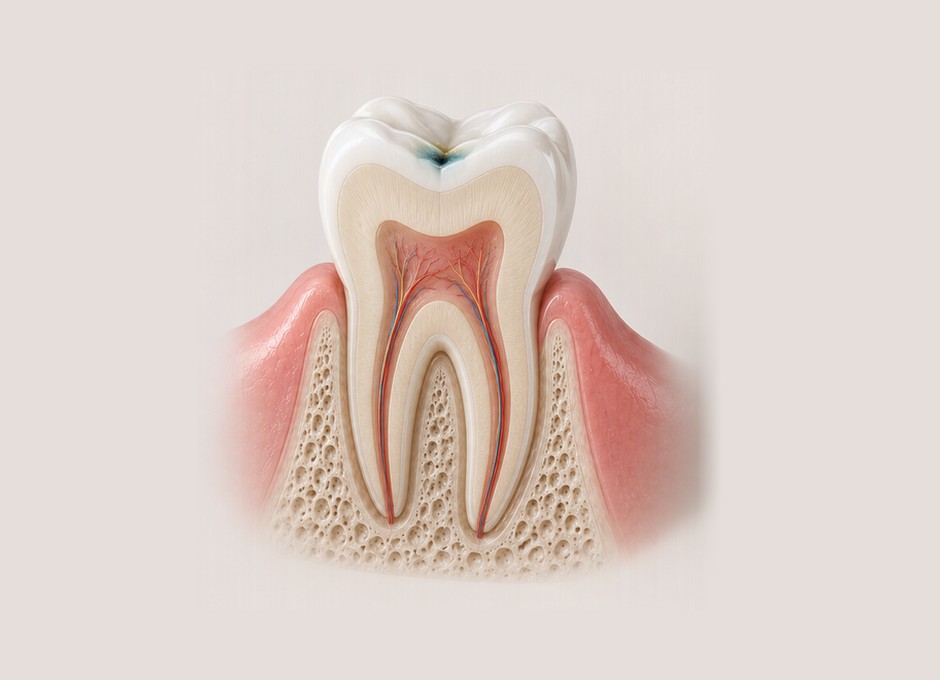
If you save the nerve, your teeth will last longer
Root canal treatment is a treatment that removes all inflamed nerves. Teeth that have lost their nerves become weaker and more prone to breaking, so most require crowns. VPT is a treatment that preserves the tooth's original sensation, defense function, and tooth structure as much as possible by leaving healthy nerves when the inflammation is limited to only a portion.
What you can protect with VPT

- Maintains dental nerves, sensation, and defense functions
- Preserve more tooth structure by removing less
- Reduces the risk of teeth becoming weak and broken
- Depending on the condition, restoration is possible without a crown.
In this case, consider VPT
- First
- When the cavity is deep and close to a nerve or partially exposed
- Second
- Sensitivity to cold that settles soon after the stimulus is removed
- Third
- When there is no spontaneous pain or throbbing pain at night
- Fourth
- When a tooth is broken due to trauma and the nerve is exposed
This is how VPT works
We use temperature tests and X-rays to assess whether the pulp can be preserved. A rubber dam isolates the tooth from saliva while decay is removed. We check whether bleeding from exposed pulp can be controlled and retain healthy tissue. The pulp is then protected with MTA or bioceramic material, the tooth is restored, and healing is monitored.
- Pulp Vitality Testing
- Rubber Dam Isolation
- Removal of cavities
- Pulp Protection
- Restoration / Progress observation
Not all teeth are eligible for VPT
If inflammation affects the whole pulp, root canal treatment may be needed, particularly with spontaneous pain or severe pain at night. After VPT, we monitor pulp responses and X-rays. Depending on progress, root canal treatment may still be necessary. We explain the findings and options before deciding together.
Before extraction,
we take another careful look.
VPT that saves the nerves, SPT that protects the gums. At The Kklim, the standard of treatment is the longevity of natural teeth.
 Tooth Preservation
SPT (periodontal maintenance treatment)
Periodontal treatment (gum treatment) is not the end but a ‘new beginning’
Periodontitis is a chronic disease that needs to be managed consistently like diabetes or high blood pressure. Since recurrence can occur at any time if care is stopped after treatment, The Kklim Dental Clinic protects your precious natural teeth through regular SPT (Supportive Periodontal Therapy).
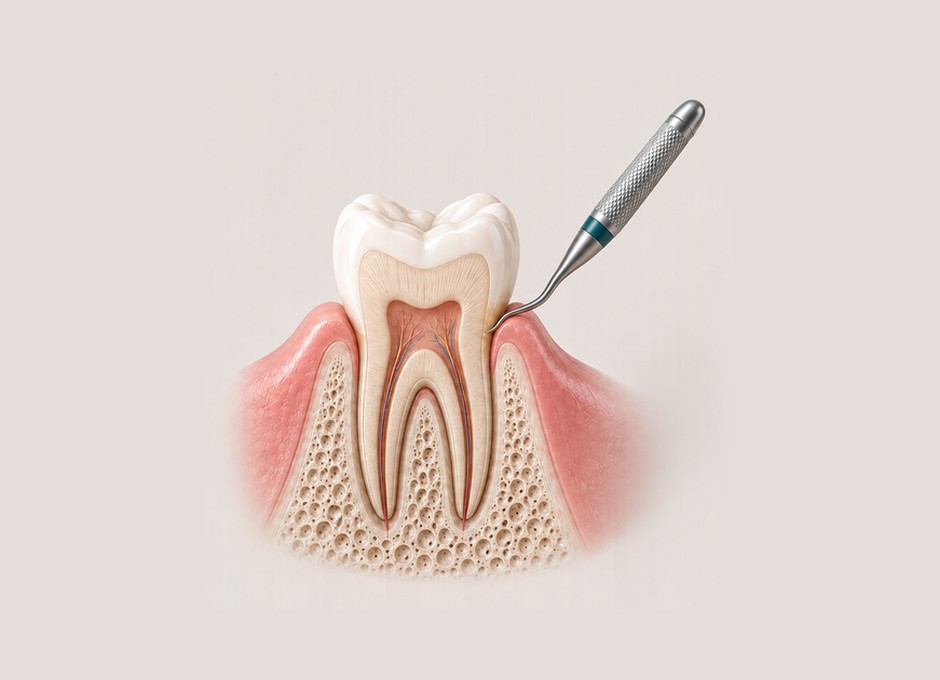
Supportive periodontal therapy (SPT): ongoing gum care to help you keep your own teeth
Maintaining your gums is more important than treating your gums. Even after treatment reduces inflammation, bacteria in the gums re-establish themselves, so treatment results are maintained for a long time by comparing, evaluating, and managing the condition of the gums at regular intervals.
Why is SPT (periodontal maintenance treatment) essential?

Blocks the reformation of biofilm
Periodically removes dental plaque and microscopic tartar that cannot be removed by brushing alone.
Periodontal pocket management
Prevents supporting bone from dissolving by lowering the level of bacteria deep inside the gums.
Early detection and personalized prevention
Early detection of signs of gum recurrence prevents major treatment.
The Kklim Dental Clinic’s systematic SPT program
Depending on the patient's gum health status (risk level), the visit cycle is customized and managed carefully.
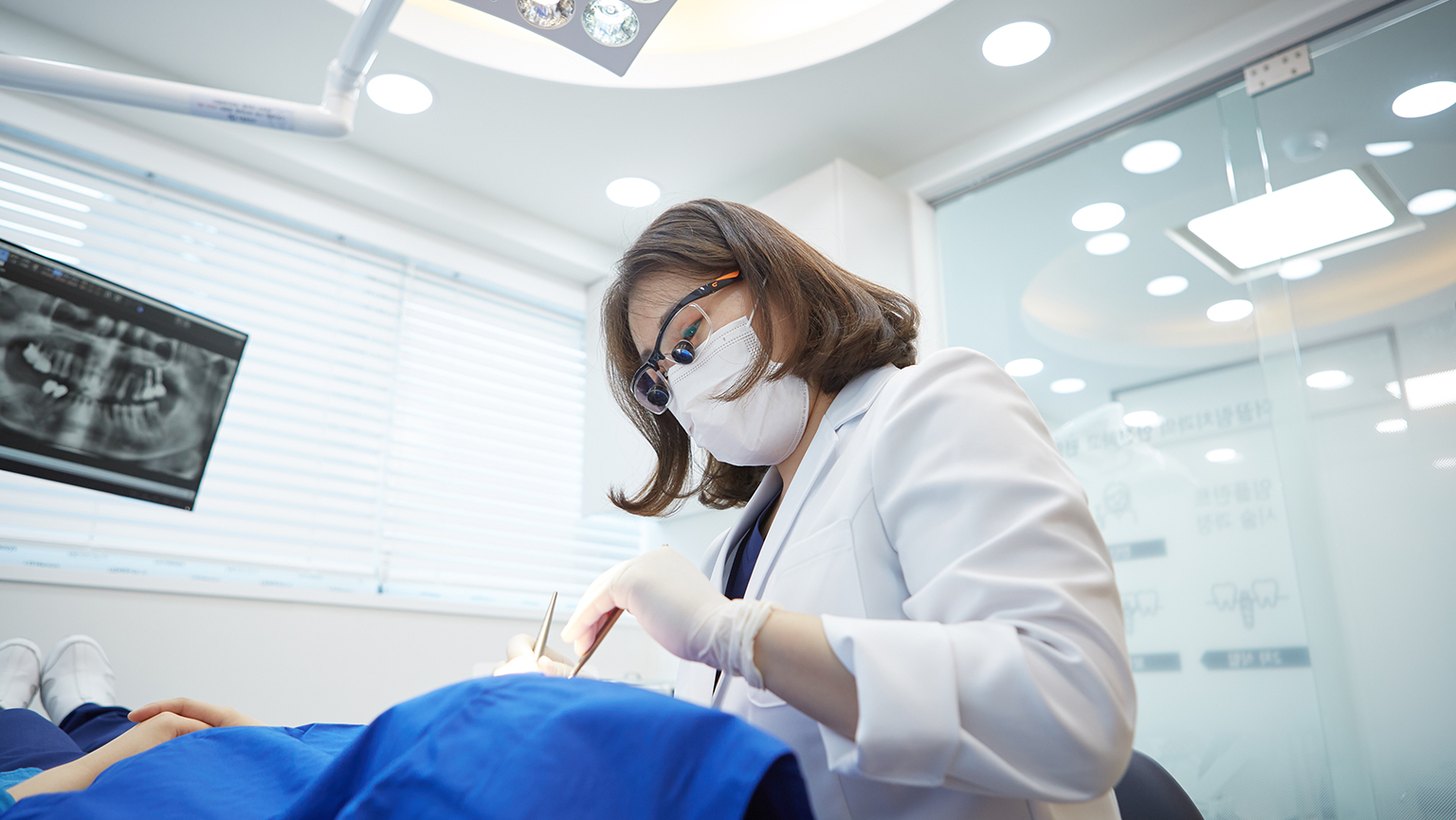
- STEP 1
- Precise gum examination and comparative evaluation Gum bleeding (BOP), gum pocket depth (PPD), and tooth mobility are precisely measured and compared and analyzed with previous records.
- STEP 2
- Customized tooth cleaning and bacterial management
Using ultrasound and special instruments, we safely remove remaining tartar and inflammation-causing substances from the tooth root area. When needed PDRN injection therapy may also be used to support gum tissue repair.
- STEP 3
- 1:1 Home Care Coaching (OHI) We select a toothbrush and interdental brush size that perfectly fits the patient's oral structure and interdental gaps, and provide 1:1 coaching on the correct method of brushing teeth.
Recommended visit frequency
Every 2~3 months
High risk group
People with systemic diseases, smokers, or those with rapid progression of periodontitis
Every 4~6 months
Moderate and maintenance group
People who want to actively manage their gums by maintaining them in good condition after treatment
“Maintaining your gums is more important than treating your gums.”
The Kklim Dental Clinic, under the careful diagnosis of a periodontist, will be your lifelong gum doctor so that your teeth can remain healthy for a long time.
Tooth Preservation
엠도게인
치주재생치료
치아를 지지하는 조직의 재생을 돕습니다
엠도게인은 치주조직의 재생을 돕는
법랑기질 유도체 성분의 젤입니다.
잇몸뼈의 결손 형태와 치주 상태를 살펴
적합한 경우 치주재생수술에 사용합니다.
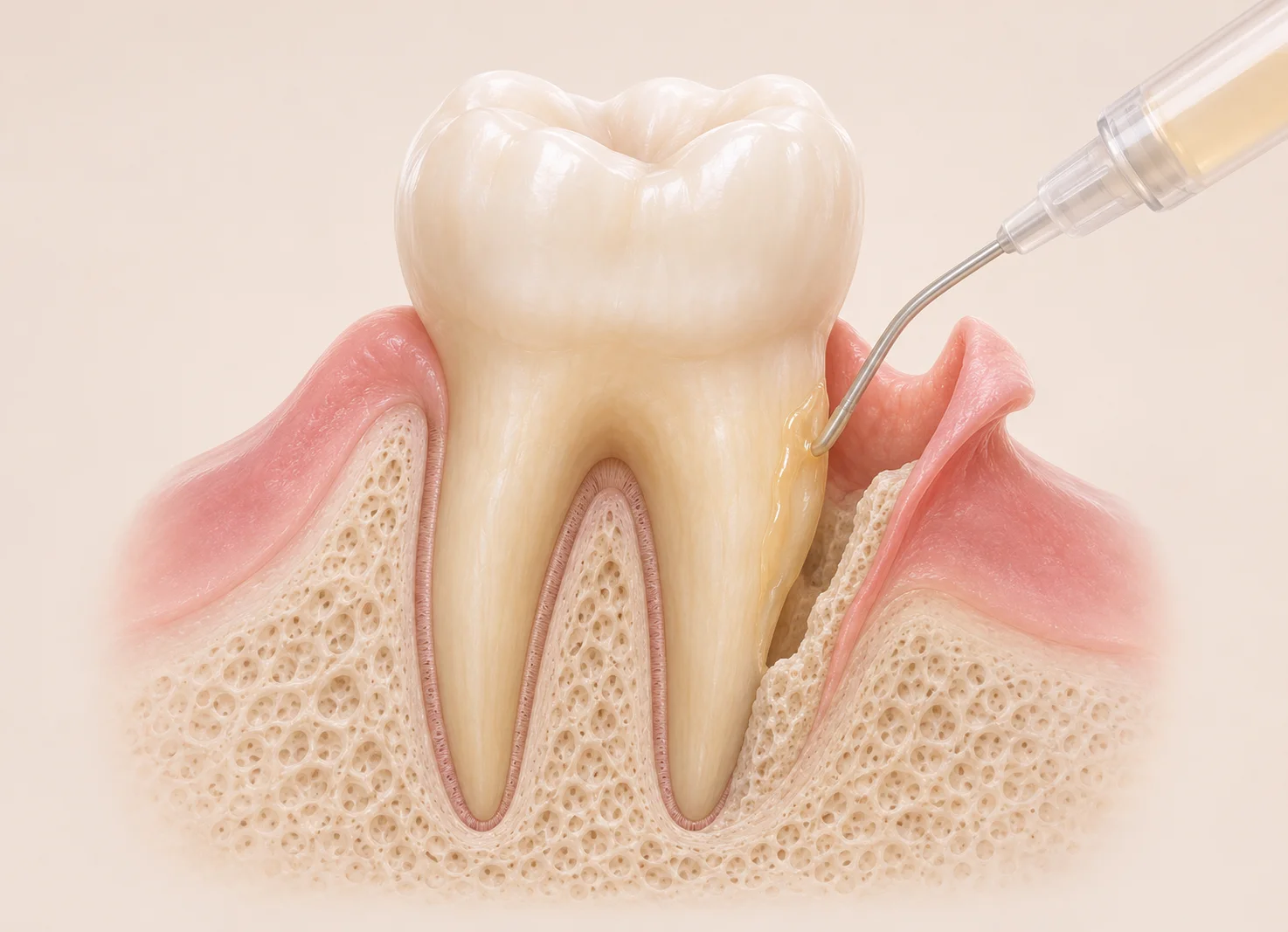
잇몸뼈가 손상된 자리, 재생 가능성을 살핍니다
치주염으로 손상된 치조골 · 치주인대 · 백악질의 재생을 돕는 치료입니다.
치료 가능 여부와 회복 정도는 잇몸뼈의 결손 형태와 개인의 치주 상태에 따라 다릅니다.
정밀한 진단부터
치료 후 관리까지
치아를 지지하는 조직의 상태를 살펴
적합한 치료 방법을 결정합니다.
- Precision diagnosis
- 방사선 사진과 잇몸 검사로 잇몸뼈의 결손 형태, 염증과 구강 위생 상태를 확인해 적용 여부를 판단합니다.
- 재생 치료
- 기본 잇몸 치료 후, 필요한 부위의 잇몸을 열어 치근 표면을 정리하고 엠도게인을 도포한 뒤 봉합합니다. 결손 형태에 따라 골이식재를 함께 사용할 수 있습니다.
- Maintenance
- 치료 후 회복 상태를 확인하고, 정기적인 치주유지치료(SPT)와 올바른 칫솔질로 잇몸 건강을 관리합니다.
Tooth Preservation
PDRN injection treatment
Another approach to protecting natural teeth for a long time
The Kklim Dental Clinic PDRN injection treatment is a natural tooth preservation treatment that considers the possibility of recovery of damaged tissue.
01. What is PDRN injection?
PDRN (polydeoxyribonucleotide) consists of purified DNA fragments and is being studied for its role in tissue repair. Research suggests that signaling pathways involving adenosine A2A receptors may help regulate inflammation and tissue repair. It is being investigated in several medical fields, including skin and soft-tissue care, and for its potential to support periodontal tissue repair in dentistry.
02. How does PDRN work?
Various mechanisms are being studied, from inflammatory reactions to tissue recovery processes.
Regulation of inflammatory response
PDRN is being studied for its potential to regulate inflammatory responses through pathways involving adenosine A2A receptors. However, its clinical effectiveness in periodontal disease requires further verification.
Supporting tissue repair
Research has reported that it can affect biological responses related to cell proliferation and tissue recovery.
Research on blood vessel formation
The possibility of influencing factors related to blood vessel formation necessary for tissue repair is also being studied. This is a mechanism suggested in experimental studies, and does not mean that the same effect is guaranteed for dental patients.
03. What is the relationship between natural tooth preservation and PDRN?
In order to protect your teeth, you must also look at the health of the tissues around the teeth.

- Supporting tissues
- Natural teeth are supported by several tissues, including gums, periodontal ligament, and alveolar bone.
- Periodontal disease
- As periodontal disease progresses, inflammation occurs in the gums, and in severe cases, the alveolar bone that supports the teeth is lost, causing teeth to become loose or require tooth extraction.
- Cause management
- Therefore, in order to maintain natural teeth for a long time, it is important to manage the cause of periodontal disease and, if necessary, take into account the possibility of recovery of periodontal tissue.
- PDRN
- PDRN is an ingredient being studied for its potential use as an auxiliary agent in this tissue recovery process.
Tooth Preservation
FAQ
Saving natural teeth, most frequently asked questions
- Q1.
- I was recommended root canal treatment. Can VPT save the nerve?

VPT may be an option when inflammation is limited to part of the pulp. We assess temperature responses, X-rays and whether bleeding from exposed pulp can be controlled during treatment. If the whole pulp is affected, for example with spontaneous pain or severe night pain, root canal treatment may be needed.
- Q2.
- What should I do if I feel cold or hurt again after VPT?
After treatment, you may experience temporary soreness or discomfort, which usually gradually subsides.
If pain continues or worsens, re-check nerve response and radiographs, and switch to root canal treatment if necessary.
- Q3.
- I received gum treatment. Do I need to undergo SPT again?
Periodontitis is a chronic disease that can recur if treatment is stopped.
The bacterial film deep inside the gums cannot be removed by toothbrushing, so treatment results can be maintained for a long time if managed with regular SPT.
- Q4.
- How is SPT different from regular scaling?
While scaling focuses on removing tartar above the gums, SPT is a customized maintenance treatment that evaluates gum bleeding (BOP), gum pocket depth (PPD), and tooth mobility by comparing them with previous records and manages remaining tartar and bacteria in the root area within the gums. We also provide coaching on how to use a toothbrush and interdental brush.
- Q5.
- How often should I receive SPT?
Depends on gum health status (risk). For those with systemic diseases, smokers, or those whose periodontitis has progressed quickly, we recommend a 2-3 month cycle. For those who maintain good condition after
gum treatment, a 4-6 month cycle is recommended. The cycle is adjusted according to the results of the examination.
- Q6.
- I've lost a lot of supporting bone. Does the tooth have to be removed?
It varies depending on the degree of supporting bone loss, tooth loosening, and inflammation.
A periodontist first determines whether a tooth can be saved through gum treatment, and only in cases where preservation is difficult, the tooth extraction and subsequent treatment are discussed together.