



 Restorative Care
About Our Restorative Care
We put your natural teeth first
Before removing or replacing a tooth, we first look for ways to preserve it. Specialists in periodontics and advanced general dentistry, certified by Korea’s Ministry of Health and Welfare, assess your gums and teeth and plan care to help your natural teeth last.
 Restorative Care
What is a periodontist?
Dental specialist recognized by the Ministry of Health and Welfare
Periodontology is a subspecialty field of dentistry that specializes in treating inflammatory diseases related to the gums and supporting bone, as well as
implant treatment.
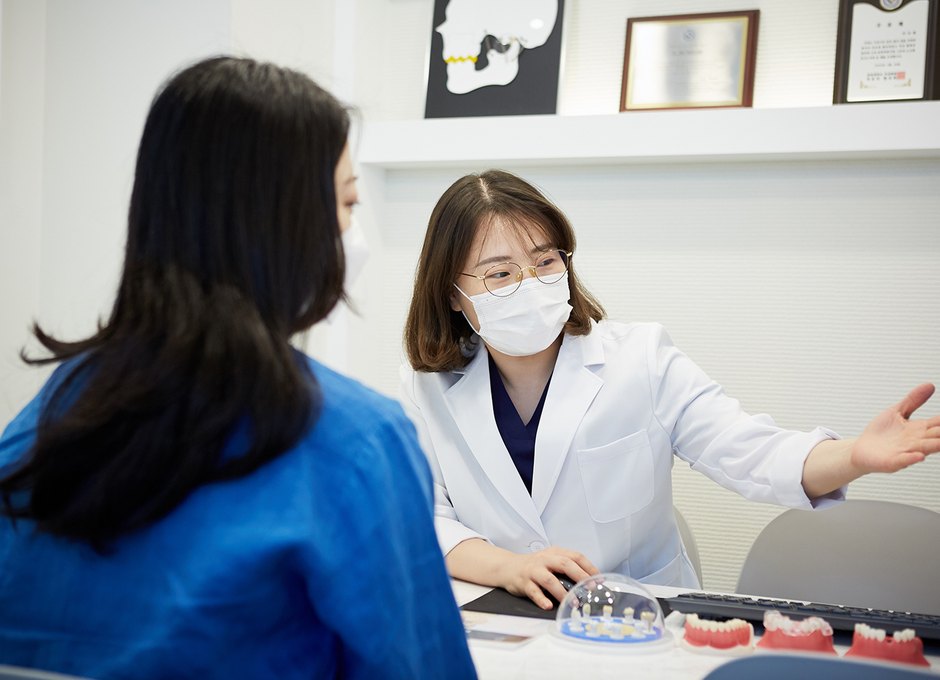
Periodontists are qualified dental specialists recognized by the Ministry of Health and Welfare.

Dentist specializing in gums and supporting bone
A periodontist is a dentist who completed a periodontology training course (1 year as an intern and 3 years as a resident) at a teaching hospital after graduating from dental school and passed the specialist qualification examination of the Ministry of Health and Welfare. We specialize in the diagnosis and treatment of gum disease, gum surgery, and tissue management around implants.
Periodontist provides direct treatment

- Periodontal disease stage diagnosis and gum treatment
- Periodontal surgery · Supporting bone regeneration
- Implant placement and peri-implantitis management
- Post-treatment SPT (periodontal maintenance treatment) design
Before extraction, we check whether your tooth can be saved
Even loose teeth may be protected through gum treatment depending on the supporting bone and inflammation condition. A periodontist first diagnoses the possibility of preservation, and even if tooth extraction is necessary, subsequent implants are planned based on the same criteria.
Restorative Care
Periodontal Treatment
Gum health protects your teeth
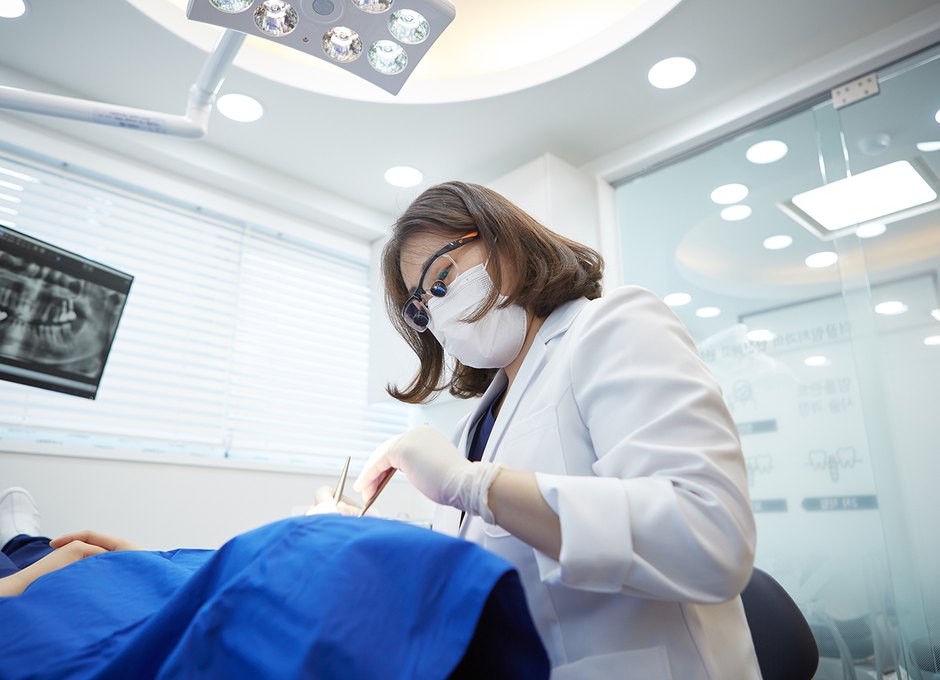
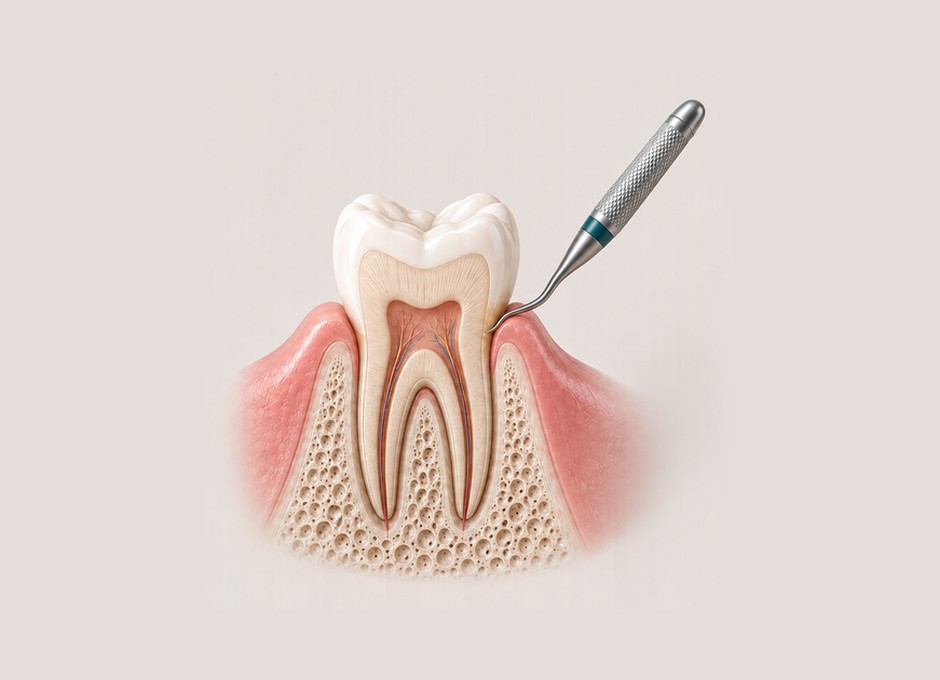
Periodontal disease is an inflammatory disease of the gums around teeth caused by bacteria.
We improve periodontal disease through scaling and gum treatment.
Periodontal disease requires continuous management even after treatment.
Periodontal disease progresses even without pain.
Periodontal disease is gum inflammation caused by bacterial film (plaque) and tartar accumulated between teeth and gums. In the beginning, it may be easy to overlook bleeding when brushing your teeth, but as it progresses, the supporting bone that supports the teeth may dissolve, causing the teeth to become loose and eventually fall out. It is one of the leading causes of tooth loss in adults.
If you have these symptoms, you need a gum examination
- First
- If your gums bleed when brushing your teeth
- Second
- If your gums are swollen or red and your breath smells bad
- Third
- Receding gums, teeth that look longer, or tooth sensitivity
- Fourth
- If the teeth are loose or there is a gap between the teeth
Treatment varies depending on the stage of progression.
A periodontist measures the depth of the gum pockets and the condition of the supporting bone to diagnose the stage and treat only the necessary range.
Gingivitis
Stage where only the gums are inflamed
You can restore healthy gums by removing tartar through scaling and learning proper tooth brushing.
Early to moderate periodontitis
The supporting bone has begun to shrink
Inflammation is reduced through root planing (gum treatment), which removes tartar and inflamed tissue from the root surface inside the gums.
Advanced periodontitis
Stage with deep gum pockets and significant bone loss
Periodontal surgery is performed to open the gums and directly treat deep areas, and if necessary, supporting bone regeneration treatment is also considered.
Starts with a detailed gum examination
- Gum pocket depth (PPD) measurement
- Gum bleeding (BOP) · Check tooth mobility
- Check supporting bone height using radiographs
- Check risk factors such as smoking and diabetes
The Kklim Gum treatment process
Measure again 4 to 8 weeks after gum treatment to check the degree of recovery, and plan additional treatment or periodontal surgery only for areas with deep pockets.
- Detailed examination

- Scaling
- Gum treatment
- Re-evaluation
- SPT maintenance
Care must continue even after treatment
Periodontal disease needs ongoing care after treatment. Depending on your risk, we schedule maintenance every 2–6 months with
SPT (periodontal maintenance treatment) to help prevent recurrence and preserve your natural teeth.
Restorative Care
Cavity & Restorative Care
Treatment appropriate for the stage of progression
The condition of the cavity is closely assessed and treated according to the stage of progression.
We give priority to conservative treatment that can protect natural teeth.
Aesthetic treatment · Prosthetic treatment · Root canal treatment · Restorative treatment
We will guide you through necessary treatment.
Even for deep cavities close to the pulp, we first assess whether vital pulp therapy (VPT) can preserve the pulp.
The deeper the cavity, the greater the treatment.
Tooth decay occurs when acids produced by oral bacteria damage the tooth. Early decay in the enamel often causes little pain. If it reaches the dentin or pulp, sensitivity and pain may develop and more treatment may be needed. Detecting and treating decay early helps preserve more of your tooth.
If you have these symptoms, you need a cavity checkup.
- First
- If your teeth are sensitive to cold water or sweet foods
- Second
- When black spots or brown stains are visible on teeth
- Third
- Pain when chewing or food getting stuck frequently
- Fourth
- When there is discoloration or gaps around previously treated teeth
Treatment varies depending on the stage of progression.
We accurately diagnose how far the cavity has progressed and remove only the decayed part, leaving as much healthy teeth as possible.
C1 · Enamel cavity
Initial stage remaining on the tooth surface
There is almost no pain. The progression can be slowed down with fluoride application and management, or simply treated with a small amount of resin.
C2 · Dentin cavity
Sensitivity to cold or sweet foods may develop
We remove the decay and restore the tooth with a composite filling or inlay, depending on its extent.
C3 · Cavities adjacent to nerve
The stage where the cavity has advanced close to the nerve
After assessing the pulp, we first consider vital pulp therapy (VPT) to preserve the pulp. If this is unsuitable, we proceed with root canal treatment.
C4 · Pulp infection
Stage where the nerve is infected or the tooth has significantly collapsed
After root canal treatment, protect the tooth with a crown. Only in cases where preservation is difficult, tooth extraction and subsequent treatment are discussed together.
Restoration method suitable for the extent of cavity
The material is decided after consultation considering the tooth position, chewing force, and aesthetics.
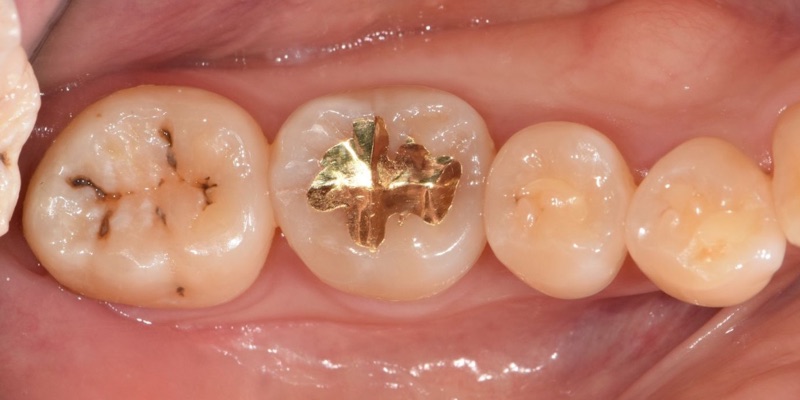
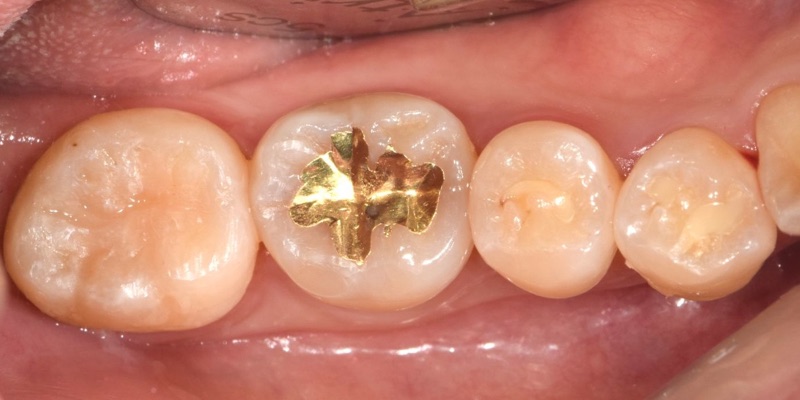
Composite fillings
Small cavities are filled with a tooth-colored material. This removes little healthy tooth structure and can be completed in one visit.
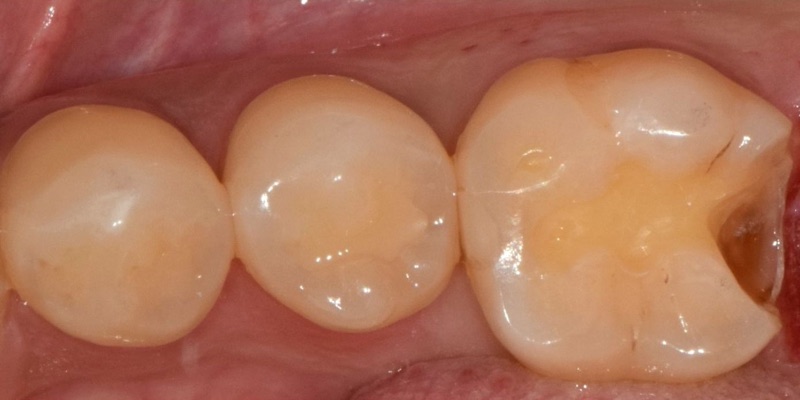
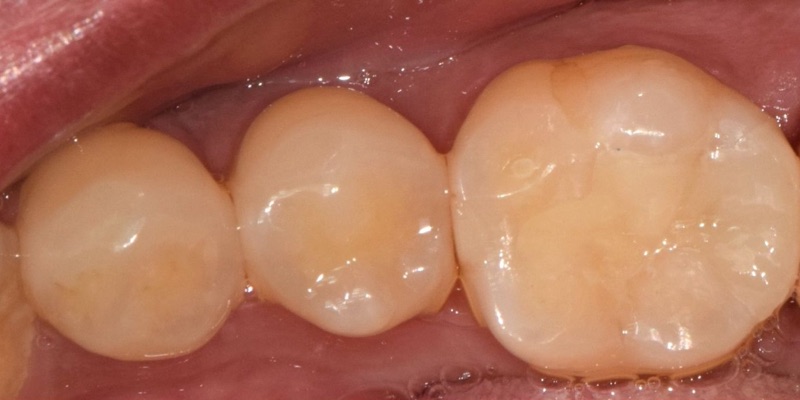
Inlays
Molars that have a wide range or receive a lot of chewing force are restored with a custom-made piece made from an impression.
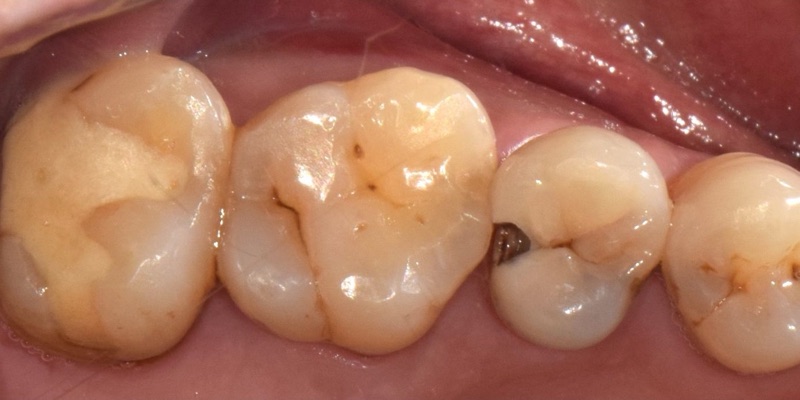
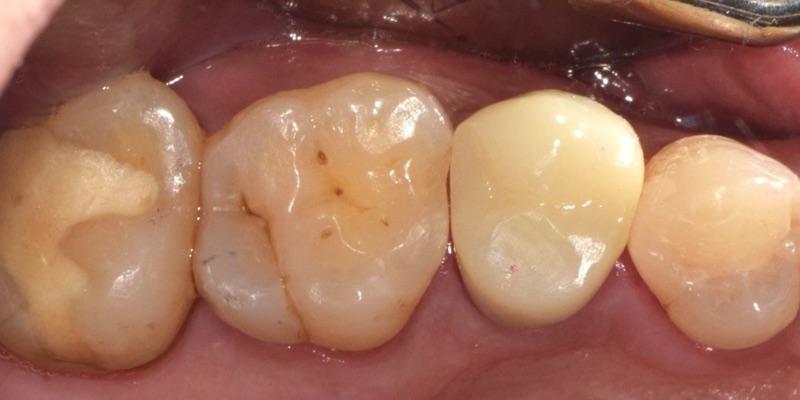
Crown
Covers and protects teeth that are severely damaged or weakened after root canal treatment.
After treatment, secondary cavities are checked.
Even treated teeth may develop cavities again in the border area. Check the area around the restoration through regular checkups and treat it again when it is small to protect your teeth for a long time.
Restorative Care
Root Canal Treatment
Treating infected dental pulp to save your tooth
If the tooth nerve (pulp) becomes infected due to tooth decay or trauma, the inflammation spreads to the end of the root, causing pain and swelling. Root canal treatment is a treatment that saves a tooth without tooth extraction by removing the infected nerve and disinfecting and sealing the inside of the root.
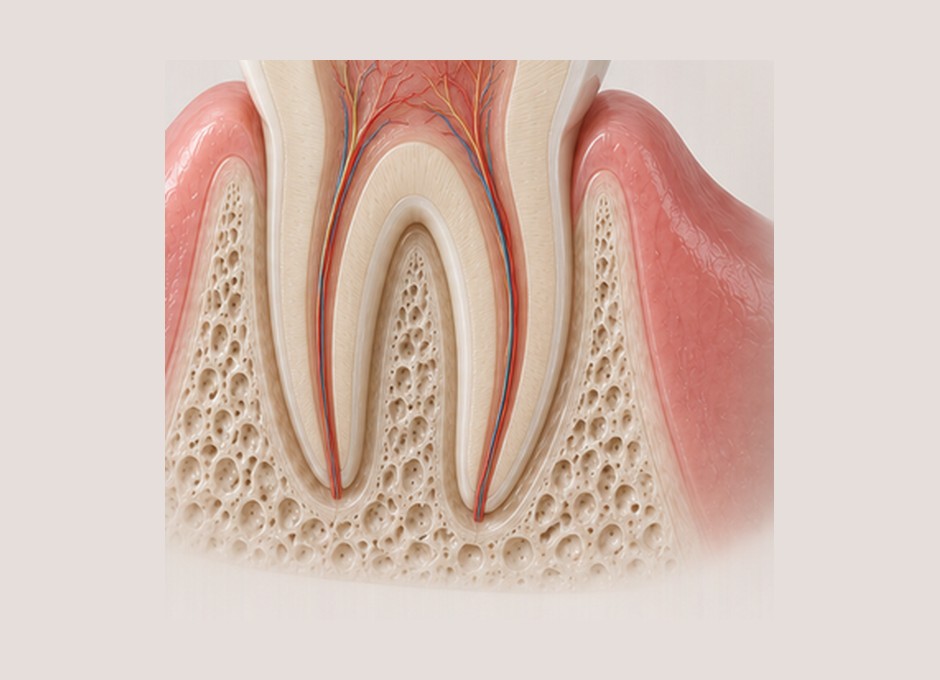
If you have these symptoms, you may need root canal treatment.

- First
- Spontaneous pain or throbbing at night
- Second
- When pain persists for a long time due to hot food
- Third
- If it hurts when chewing or if there is pus or swelling in the gums
- Fourth
- If the tooth color has darkened
How root canal treatment works
We assess the pulp with X-rays and clinical tests, then remove the infected pulp under local anesthesia. The root canals are shaped, disinfected and sealed to help prevent bacteria from re-entering.
- Precision diagnosis
- Removal of infected pulp
- Root canal disinfection
- Root canal filling
- Crown Restoration

Treatment usually takes several visits
Depending on the degree of inflammation and the type of root, patients usually visit the clinic several times, and if inflammation is severe, the disinfection period may be prolonged.
Do not overdo it during treatment.
To avoid the temporary material falling out or the tooth breaking, it is recommended that you do not chew hard foods with the affected tooth until treatment is complete.
Finish is protected by crown
Teeth that have undergone root canal treatment become weak and prone to breaking, so it is recommended to protect molars with crowns.
We preserve healthy pulp whenever possible
If inflammation affects only part of the pulp, we first consider vital pulp therapy (VPT) to preserve the remaining healthy tissue.
After fully explaining the diagnosis results and options, we will make a decision together.
Root canal treatment: common questions
- Q1.
- Does root canal treatment hurt a lot?

Because it is performed after anesthesia, there is not much pain during treatment. There may be discomfort when chewing for a few days after
treatment, which usually gradually decreases.
- Q2.
- Do I need a crown after root canal treatment?
Teeth that have undergone root canal treatment become weak and have a high risk of breaking, so it is recommended to protect molars with crowns.
In cases where the damage is minimal, such as to the front teeth, other methods will be discussed depending on the condition.
- Q3.
- I had root canal treatment, but can it hurt again?
If the root shape is complicated or the seal is damaged and bacteria re-enter, inflammation may recur.
In this case, we will re-diagnose the condition and guide you on treatment methods.
Restorative Care
Care to protect natural teeth
Care is taken together even after treatment.
Gum disease is often discovered late because there is little pain in the early stages.
Check the condition of the gums and supporting bone through regular checkups,
Prevent cavities with regular scaling or fluoride application,
We continue thorough management and regular checkups even after treatment.