




 Dental Implants
About Our Dental Implants
Implant planning starts with gums and bone
The power to use implants for a long time comes from the gums and supporting bone. The chief dentist, a periodontist and general dentistry specialist, diagnoses gum health and continues with the same standards for surgery, prosthetics, and long-term care.
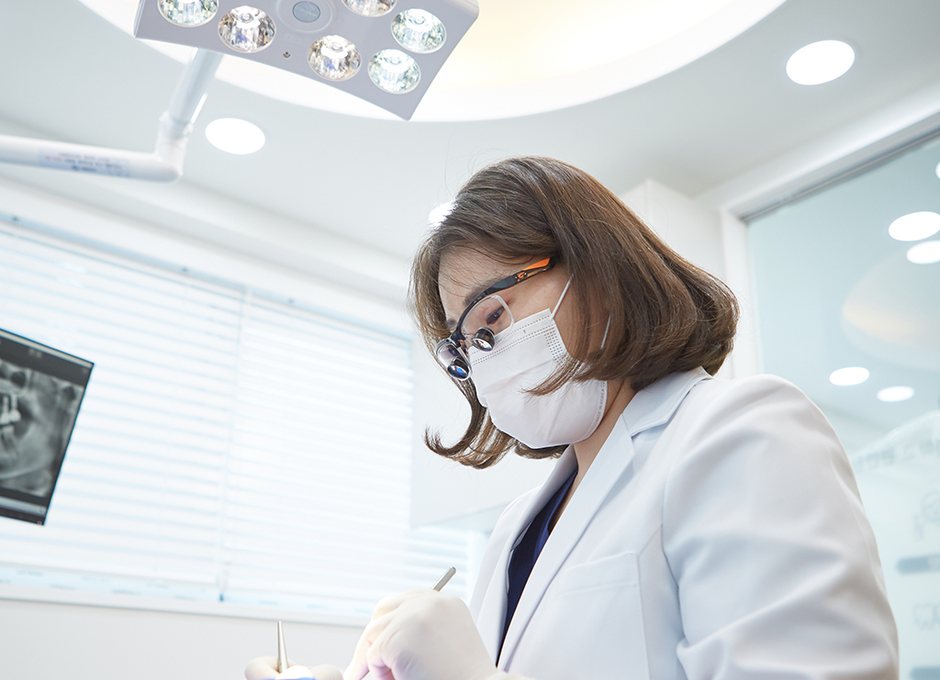
An implant is an artificial tooth that is implanted into the ‘supporting bone’
Just as the soil (ground) must be strong to properly plant a tree, the key to the success of implants is the condition of the gums and supporting bone (alveolar bone). Periodontics is a specialized field that specializes in and studies the gums and bones surrounding the roots of teeth. Even in difficult cases where the supporting bone is lacking or weak, a solid foundation can be created through supporting bone grafting (bone grafting) and regenerative periodontal treatment.

Standard of judgment created by experience
Even for implants in the same location, completely different plans are required depending on bone density, systemic disease, and occlusal structure. Various case experiences are directly connected to the decision on bone grafting, placement location decision, and prosthetic method selection. The Kklim first considers how to design rather than simply installing.
Digital-based precision diagnosis system
The exact implant is already decided at the diagnosis stage, not during surgery. The Kklim comprehensively designs bone structure, nerve location, occlusal relationship, and final prosthetic shape.

-

- 3D CT-based bone structure precise analysis
-
- Safety range setting considering nerve and maxillary sinus location
-
- Surgical plan reflecting occlusion and final prosthesis type
-
- Digital guide-based implantation location, angle, and depth design
Expert care from our chief dentist
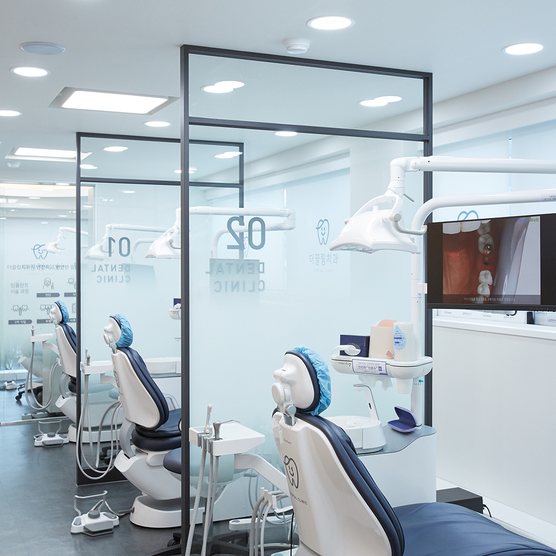
As a periodontist and general dentistry specialist, we design everything from the condition of the gums and supporting bone to prosthetics and occlusion. Implants are completed only when surgery and prosthetics are combined into one structure, not as separate treatments. This is why treatment follows the same standard from the initial consultation to surgery, prosthetics, and lifelong care.

Implants are not ‘planted treatment’
Creating a structure to replace teeth and designing it to last for a long time. The Kklim implants are planned based on the structure to be maintained, not the number of implants placed.
Dental Implants
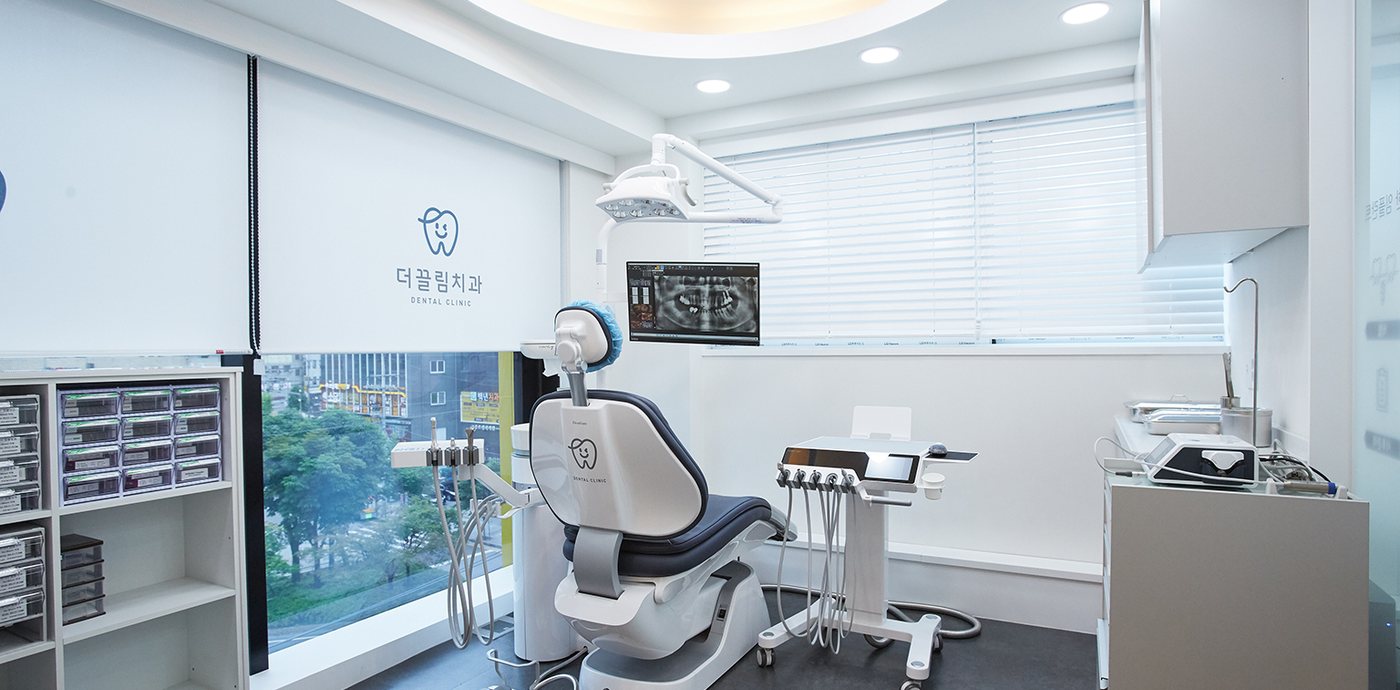
Implant surgery room
A dedicated setting for implant surgery
Based on an independent surgical space and precision diagnostic equipment (CT), everything from diagnosis to surgery is safe. Facilities and equipment are fundamental to surgical accuracy.

Surgical environment designed with safety in mind
The results of implant surgery change only when an accurate diagnosis and a stable environment are provided. The Kklim's implant surgery room is a space where infection control and surgical flow are systematically designed considering the flow from diagnosis to surgery and recovery.
Independent surgical environment
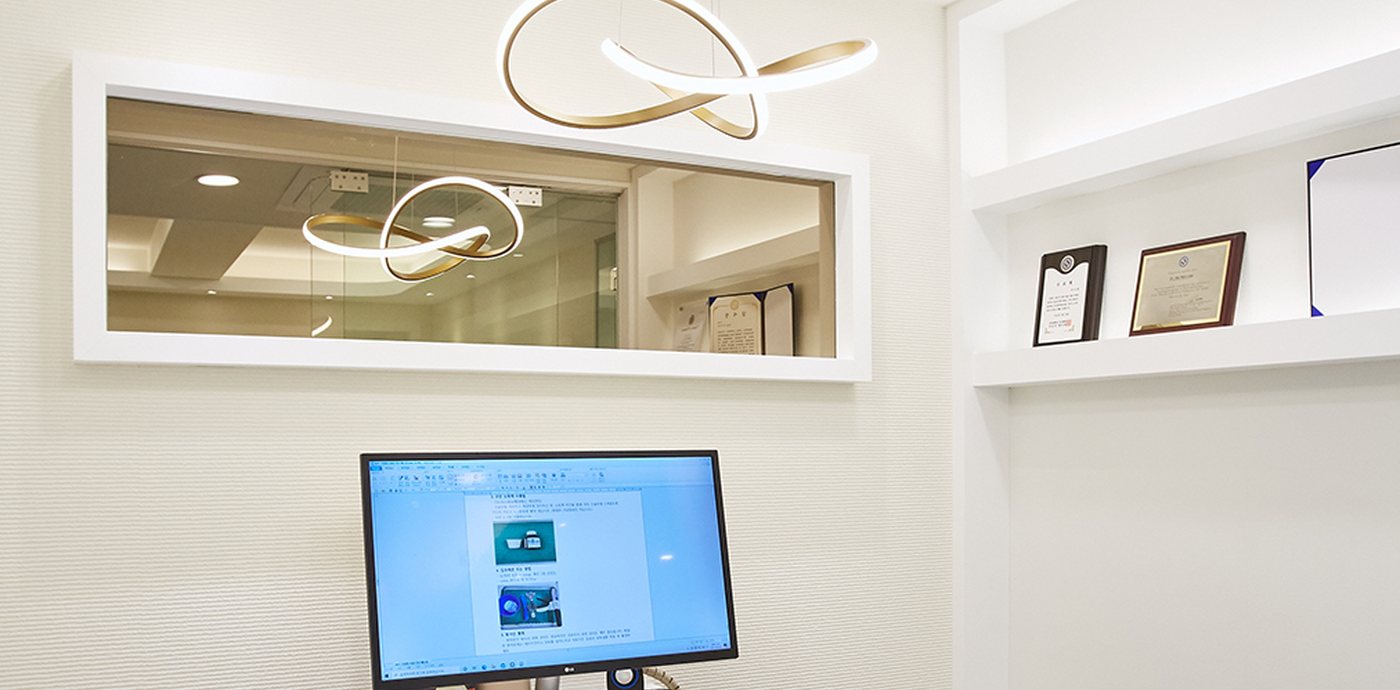
Implant surgery is performed in an independent operating room separate from the general treatment space. We prioritize an environment where we can focus on diagnosis and surgery.

Diagnostic equipment for detailed examination
Accurate surgery begins with accurate data. CT scanning is not just a simple scan, but a key process for planning surgery.
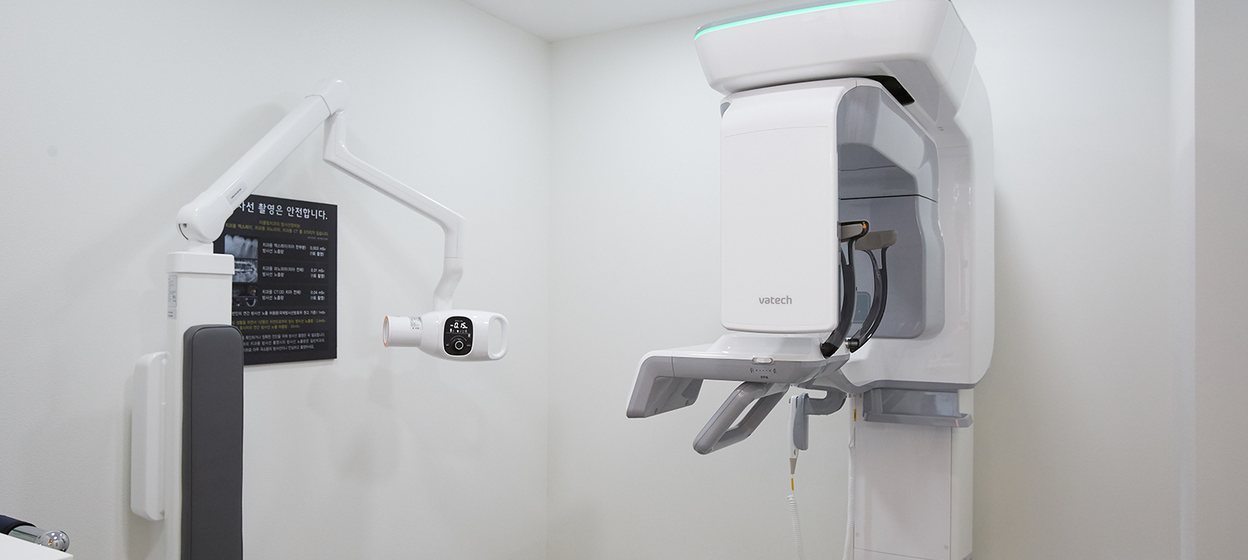
-
- 3D CT-based precise bone structure analysis
-
- Check nerve and maxillary sinus location
-
- Evaluation of remaining alveolar bone height, width, and density
-
- Integrated diagnosis considering occlusal relationship and final form of prosthesis
Every stage of surgery is planned as part of a whole
The implant is completed when it is connected in one flow. The Kklim Implant Surgery Room is a space designed to ensure that connection is never lost.
- Diagnosis
-

- Design
-
- Surgery
-
- Prosthetics
-
- Maintenance

Experience supported by detailed diagnosis
At The Kklim, 3D CT analysis and digital planning connect surgery with the final restoration.
 Dental Implants
Implants with Bone Grafting
Finding options when supporting bone is insufficient
If the supporting bone has decreased due to periodontitis or long-term tooth loss, the location and amount of the deficiency is confirmed using 3D CT, and then guided bone regeneration (GBR) and maxillary sinus lift surgery are performed to create a foundation for the implant to last for a long time.
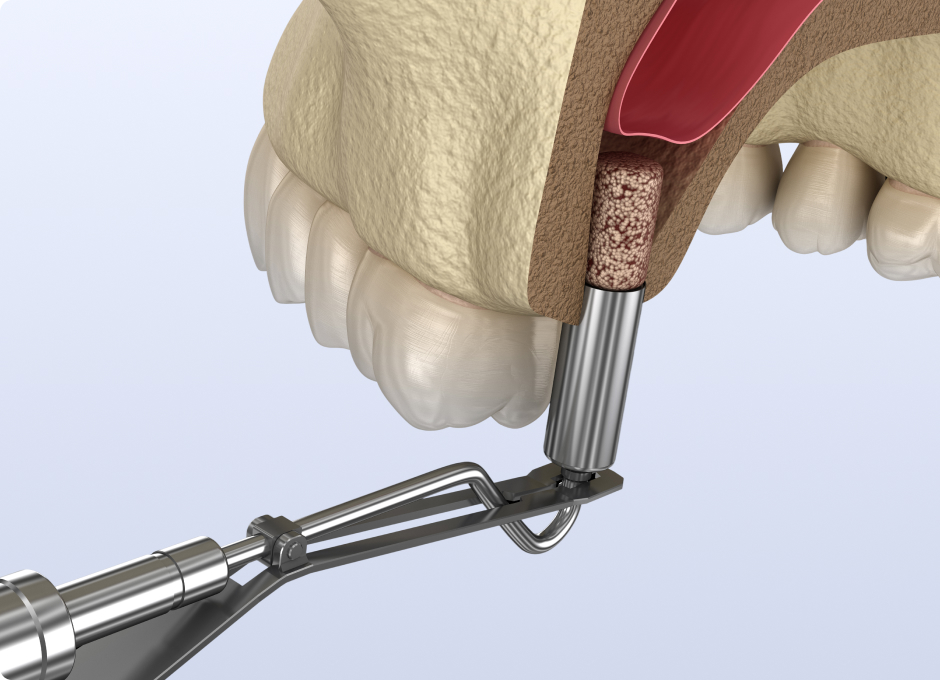
To use implants for a long time, bone comes first
Implants are firmly attached to the supporting bone (osseointegration) and can withstand chewing forces. When the bone has dissolved due to periodontitis or has passed for a long time after tooth extraction, the height and width of the bone decreases, making it difficult to implant as is or to maintain it for a long time even if implanted. Bone grafting is not a treatment that makes implants ‘possible,’ but rather a preparation process that ‘makes them usable for a long time.’
When bone grafting may be considered

- First
- When a lot of supporting bone has been absorbed due to periodontitis
- Second
- When bone height and width have decreased long after tooth extraction
- Third
- Insufficient bone height from the upper molar area to the maxillary sinus
- Fourth
- If you have been diagnosed that implantation is difficult due to insufficient bone
Methods vary depending on the location of the shortage.
The grafting method is tailored to each case. We choose the least invasive suitable approach and treat only the necessary area.

Guided Bone Regeneration (GBR)
Bone graft material and shielding membrane are inserted into areas where the supporting bone width and height are insufficient to encourage new bone growth.
Sinus lift · Crestal approach
When the upper molar bone height is slightly insufficient, the maxillary sinus membrane is lifted through the implantation hole and the area underneath is filled with bone.
Maxillary sinus lift · Lateral approach
When the remaining bone height is insufficient, a small window is made on the side to lift the maxillary sinus membrane and fill it with bone.
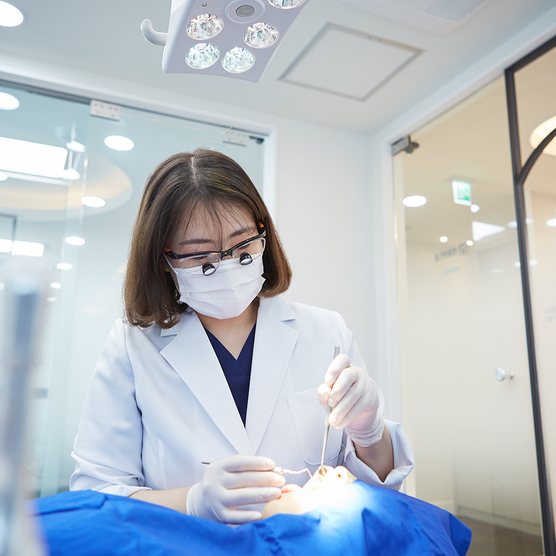
Gum treatment comes first before bone grafting.
If inflammation remains in the gums, it is difficult for the transplanted bone or implant to last long. A periodontist first treats inflammation in the surrounding gums and remaining teeth and then performs bone grafting and placement in a clean environment.
Determine the scope by diagnosis
It is impossible to determine by sight whether bone grafting is necessary. After confirmation with 3D CT, the implantation range is determined along with the implantation plan.
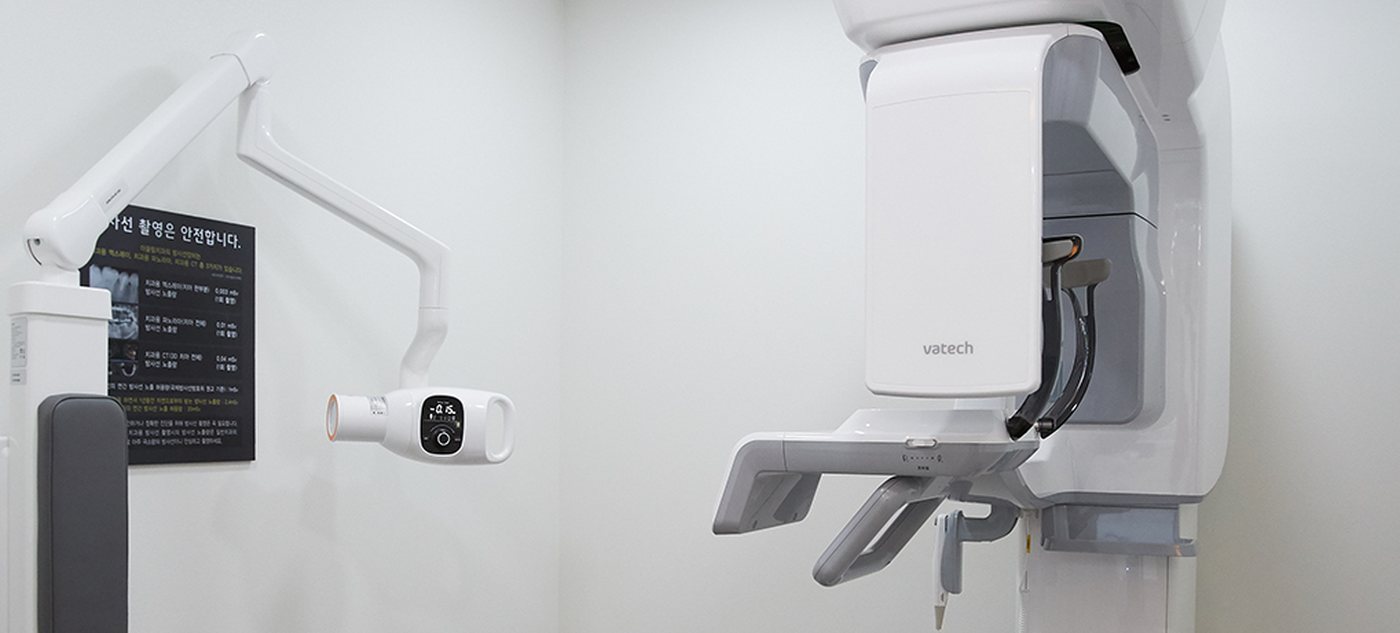
- 3D CT-based residual bone volume (height, width, density) analysis
- Maxillary sinus · Check nerve location
- Decision on simultaneous or staged implantation
- Check step-by-step progress after transplantation
Dental Implants
Highness Implant
Digital prosthesis fixed with screws without adhesive
Highness is a digitally designed implant restoration system. Digital impressions are used to design the restoration, which is secured with screws rather than dental cement.
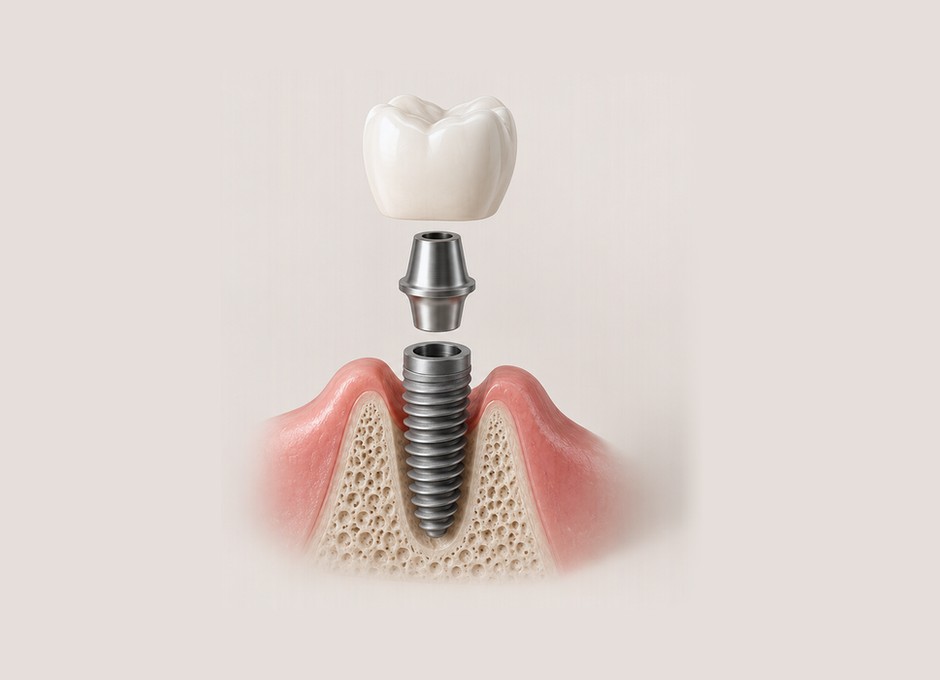
Precise prosthetics, easy care
An implant consists of a fixture placed in the supporting bone, and accessories and prosthetics connected to it. Highness prosthetics designs and manufactures connecting accessories and prosthetics digitally, and fastens them with screws instead of adhesives. When necessary, the prosthesis can be removed for cleaning, inspection, and repair, making it ideal for long-term maintenance.
Features of Highness Restorations
Screw fastening without adhesive
Since no adhesive is used, there is no need to worry about residual adhesive remaining in the gums.
Easy to separate, clean, and repair
Long-term care is easy as the prosthesis can be unscrewed, cleaned, repaired, or replaced.
Digital Impression · Design
We create a prosthetic that matches the shape of the gums and occlusion by creating and designing a digital impression.
Applicable to various implants
This restoration system is compatible with several implant systems. We will examine any existing implants and explain whether it is suitable for you.
Natural-looking restorations
Tooth-colored materials create natural prosthetics that match the surrounding teeth.
The Highness Treatment Process
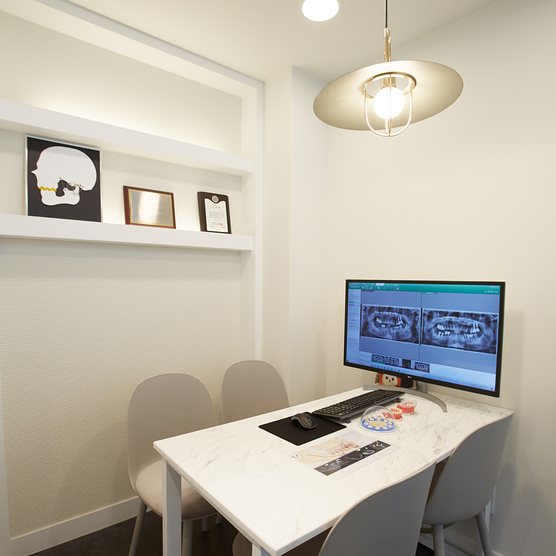
- STEP 1
- Attach Highness components
The connector is attached to the implant during placement or before taking an impression.
- STEP 2
- Digital impression taking The shape of the implant and surrounding teeth and gums is precisely taken digitally.
- STEP 3
- In a digital prosthesis design CAD program, the prosthesis is designed according to the occlusal and gum shape.
- STEP 4
- Make the Highness restoration
Temporary and final restorations are made to match the digital design.
- STEP 5
- Installation by screw fastening The prosthesis is mounted only by screw fastening without adhesive.
We assess whether this type of restoration suits you
Application method may vary depending on implant location, gum thickness, occlusion, and existing implant type. After diagnosis, we will first explain the appropriate prosthetic method and cost and decide together.
Dental Implants
Long-term implant care
Gum disease can also develop around implants
Implants cannot develop cavities, but the surrounding gums and bone can become inflamed (peri-implantitis). Our periodontist checks these tissues regularly to support long-term implant health.
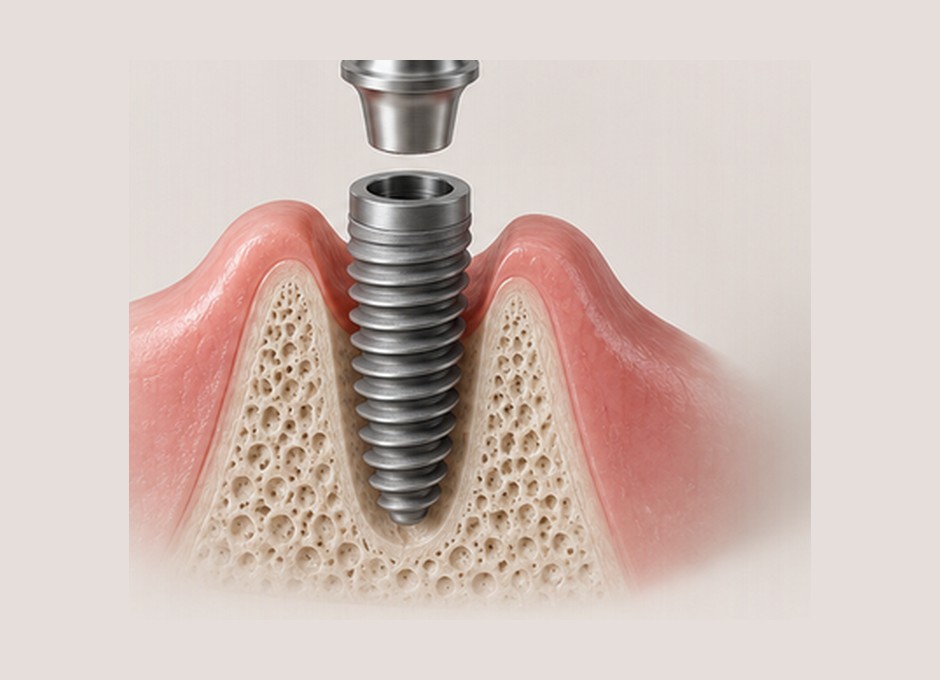
Peri-implantitis, progresses without pain
Plaque around an implant can inflame the gums. If left untreated, this may progress to peri-implantitis and loss of supporting bone. Early stages often cause little pain, so looseness or pus may indicate that the disease has already progressed. Long-term care is as important as implant placement.
Contact the clinic promptly if you notice these symptoms
- First
- When the gums around the implant bleed or swell
- Second
- When the gums recede and the implant pillar is visible
- Third
- When food gets stuck frequently or smells bad
- Fourth
- Discomfort or a feeling of looseness when chewing
Regular inspection of implants by a periodontist
The gums and bone around the implant are checked periodically based on the same principles as SPT (periodontal maintenance treatment) for natural teeth.
- Gum bleeding around implant · Pocket depth inspection
- Comparison of surrounding bone heights using radiographs
- Removal of bacterial film and tartar from the implant surface with a dedicated device
- Checking and adjusting occlusion (chewing force)
Check more often if you have lost teeth due to periodontitis
If you have a history of periodontitis, smoking, or diabetes, your risk of peri-implantitis increases. Depending on the risk, we inspect every 3 to 6 months and provide 1:1 guidance on how to use a toothbrush and interdental brush suitable for implants.
Dental Implants
FAQ
Most frequently asked questions before implant treatment
Answers to key questions about surgery, pain, longevity and cost to help you decide.
- Q1.
- What should I look for in an implant clinic in Jangan-dong?

When it comes to implants, it is more important to plan both diagnosis and prosthetic design rather than the number of implants installed. The Kklim Dental Clinic uses 3D CT-based precision diagnosis to check the location of bone structure, nerves, and maxillary sinus, and plans surgery by considering occlusion and final prosthetic shape. Check to see if the treatment follows the same standards from consultation to surgery and completion of prosthetics.
- Q2.
- Does implant surgery hurt a lot?
The surgery is performed after anesthesia, so there is not much pain during the surgery. There may be swelling or discomfort for a few days after surgery, which is managed with prescribed medication and precautions. Pain and recovery period vary from person to person depending on the extent of surgery and whether bone grafting was performed.
- Q3.
- How long does implant treatment take?
After placement, a period of time (osseointegration) is required for the implant and supporting bone to firmly attach, which generally takes several months. If the bone condition is good, the period may be shorter, but if bone grafting is needed, it may be longer. The exact schedule will be provided step by step after CT diagnosis.
- Q4.
- How long can implants be used?
Lifespan is not fixed and depends on the condition of the gums, occlusion, oral care, smoking status, and regular checkups. The Kklim plans based on the structure that will be maintained for a long time, not the number of implants, and checks the maintenance status through regular inspections even after treatment.
- Q5.
- In what cases is a full mouth implant needed?
Consider this if you have lost all of your upper and lower teeth, or if most of your teeth have lost their function, or if dentures are uncomfortable or not fixed. Because one placement location affects the entire occlusion and temporomandibular joint, it is designed based on the entire oral structure from the beginning.
- Q6.
- Is bone grafting always necessary?
Not required in all cases. When the height or width of the supporting bone is insufficient, the remaining bone, maxillary sinus, and nerve location are evaluated using 3D CT, and only the necessary range is performed. Bone grafting is a process that prepares conditions for implants to last for a long time.
- Q7.
- Who is eligible for implant coverage under Korean National Health Insurance?
Korean National Health Insurance may cover up to two dental implants over a lifetime for insured people aged 65 or older who meet eligibility criteria, including partial tooth loss. Eligibility may depend on supporting bone loss, general health conditions and previous implant treatment. We will explain your eligibility after diagnosis.
- Q8.
- Are implants possible even if I have diabetes, high blood pressure, or am old?
Your overall health and supporting bone condition are more important than age itself. If you have a systemic disease such as diabetes or high blood pressure, first check your control status and medications you are taking, and if necessary, refer to your doctor's opinion and plan within a safe range.
- Q9.
- How should I care for the implant?
Implants cannot develop cavities, but the surrounding gums and bone can become inflamed (peri-implantitis). Thorough brushing, interdental cleaning, regular checkups and scaling help maintain gum health and a balanced bite.
- Q10.
- Why do implant costs vary between dentists?
Costs vary depending on the implant material, type of prosthesis, bone grafting, scope of surgery, and diagnostic process. The Kklim Dental Clinic first explains the treatment and costs required after diagnosis, item by item, and guides you so that you can make a decision after fully understanding them.
- Q11.
- Can I get an implant even if my gums are in bad condition (periodontitis)?
It is possible. However, if gum inflammation remains, the risk of peri-implantitis increases, so the periodontist first controls inflammation through gum treatment before implantation. Even after treatment, the implants and remaining natural teeth are maintained together through regular inspections.
- Q12.
- How does Highness differ from a conventional implant restoration?
It is not an implant itself that is planted in the supporting bone, but a prosthetic system that digitally designs the prosthesis placed on top of it and fixes it with screws without adhesive. When necessary, the prosthesis can be removed for cleaning, inspection, and repair.
- Q13.
- If I don’t use adhesive, won’t the prosthesis fall out?
The prosthesis is firmly fastened and fixed with screws. Check the condition of the screws during regular inspections, and retighten them if necessary to keep them stable.
- Q14.
- Can Highness restorations be used on implants placed at another clinic?
Highness restorations are compatible with several implant systems. Suitability depends on the implant type and condition. After examining it, we will explain the available options.